#5 How to Repot a Houseplant

Houseplants require occasional repotting to keep them healthy. In addition to know when to repot, you must know how to repot to be successful. Late winter/early spring is a great time to repot houseplants since they are getting ready to begin their spring growth spurt.

The majority of houseplants like to be a little crowded in their pots. Increasing the pot size when it is not needed can do more harm than necessary. Signs that a plant need to be repotted include:

  • Plants that are pale or have stopped growing
  • Heavy plants that keep falling over
  • Roots that poke out of the soil or the holes in the bottom of the pot  
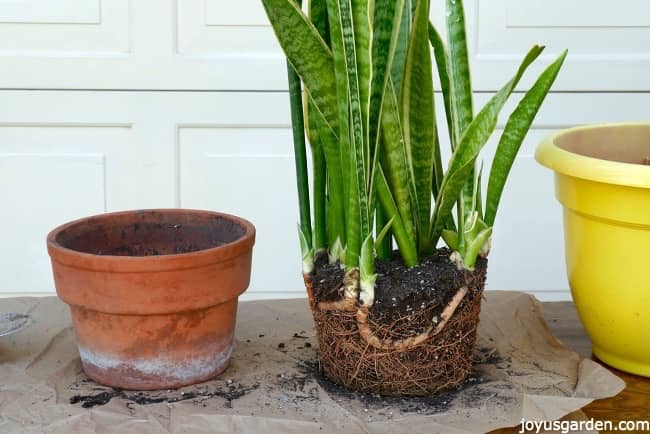
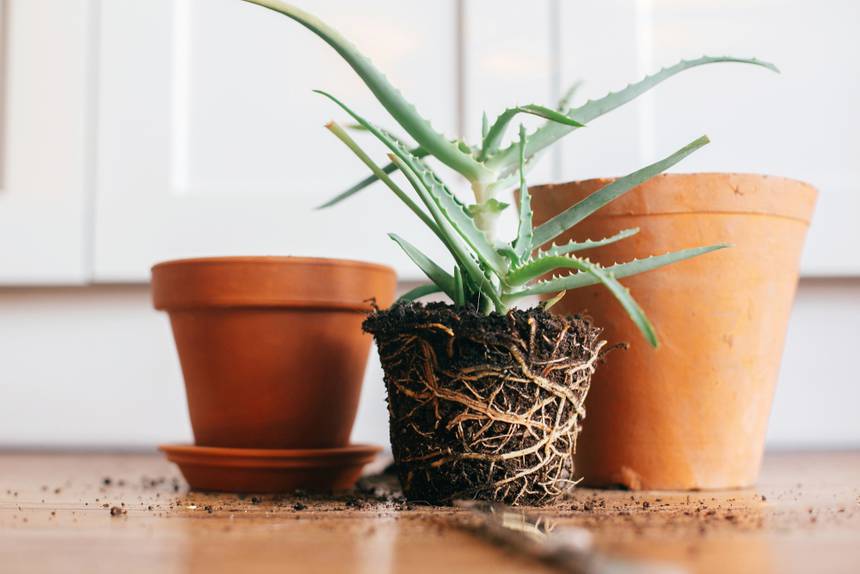
When it is time to repot a plant, one should use plastic or clay pots and a soil mix. One can mix the soil with clay pebbles, pine bark, moss and perlite, as I mentioned in my third blog entry. First, the clay pots should be soak for a few hours in water, otherwise the clay would immediately extract the water from the soil. The pot should not be bigger than 1-2 diameter than the current pot.

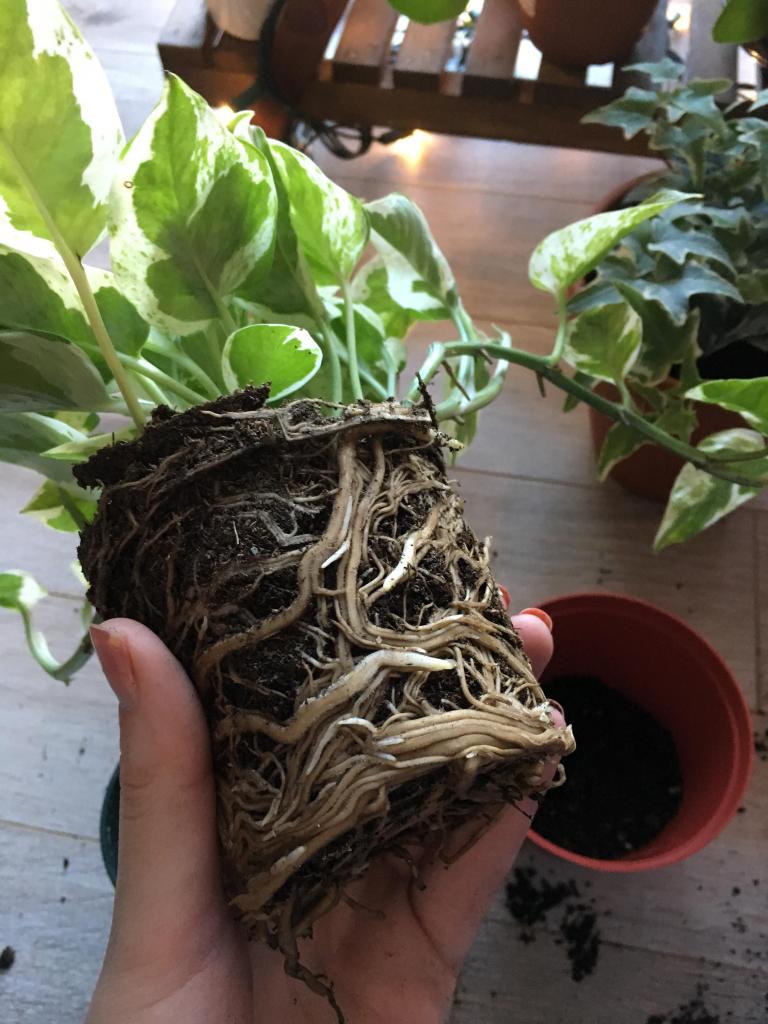
Firstly, one should water the plant to help the root ball and soil slide more easily out of the pot. To gently pull the pot away, the plant should be put on its side. The roots shall not be damaged. If something is rotten or mouldy, it should be cut off. If the roots are tightly coiled, one should use the fingers to loosen them gently. The new pot has to be a little bit bigger than the current but. The top of the root-ball has to be at least ½ inches below the rum of the pot. After that I like to sit the plant in the sink or the bathtub and give it a good drink, making sure the soil gets evenly moist while the excess water is draining away. This is a good time to remove the dust from the foliage and potting soil.

After repotting, you should hold off fertilizer, because the soil is already prefertilized and it may burn the sensitive roots. If you have any questions about repotting, feel free to ask me.

Lovely greetings,

Pauline
#4 How to Take Care of a Christmas Star Plant

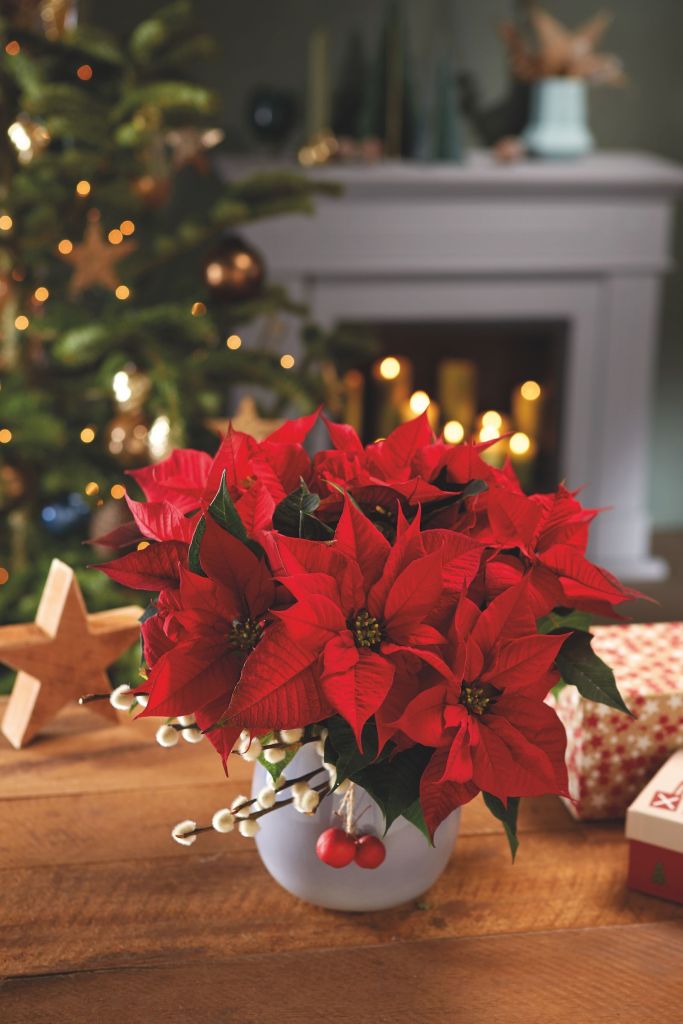
Christmas is just right around the corner and maybe you already got a Christmas Star plant or want to buy one. In this blog post I will help you to take care of it and tell you how you can enjoy it as long as possible.

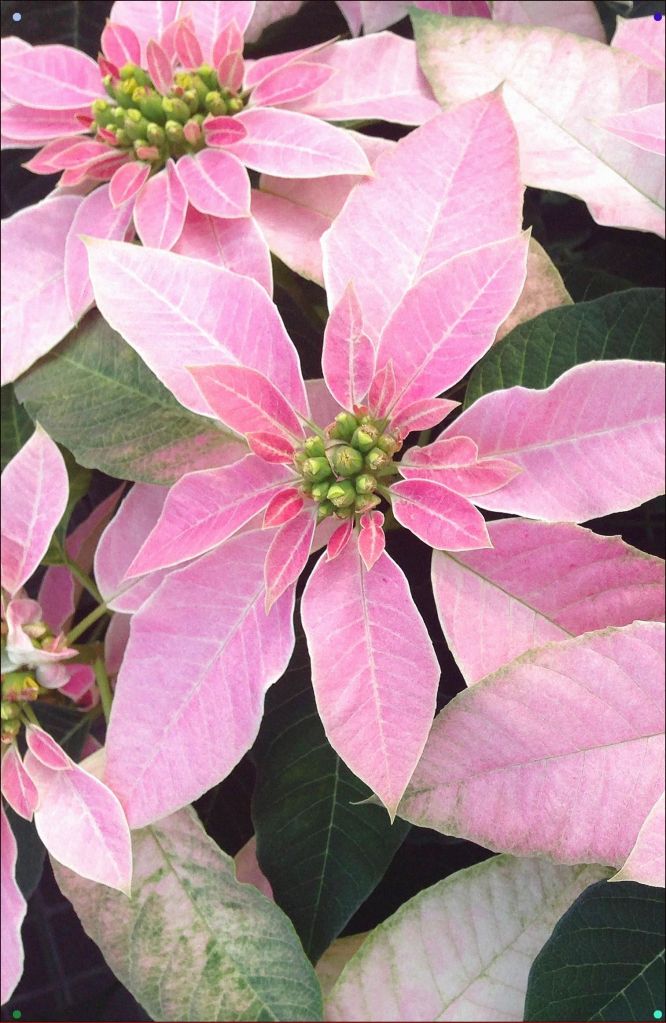
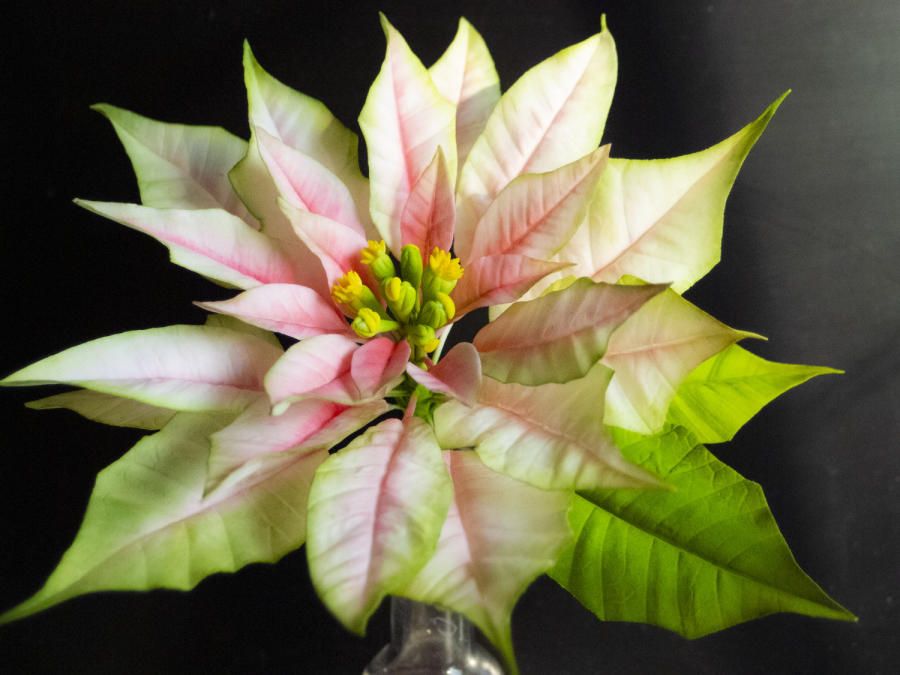
The Christmas Star is commonly called a Poinsettia (botanical name: Euphorbia pulcherrima). It is the number one houseplant over the Christmas season and comes in many different colours. The Poinsettia flowers in December and January and are not very difficult to care for. Red is the most common and popular variety, but actually there are more than 150 different varieties – including stunning pinks, oranges, creams and whites.

The leaves – also called bracts – are often mistakenly referred to flowers. With their star-shaped leaf bracts, Poinsettia is named Christmas Star in many other languages.

Firstly, it is important to never buy a Poinsettia that sat next to automatic doors in a supermarket, because it will surely have damage caused by the cold wind outside. Although it is not visible at first, it may cause the leaves to drop soon after the Poinsettia arrives in its new home.

Poinsettias like their soil moist. One should always remember that the soil should neither dry out nor be drenched with water. I gave some watering tips in my last blog post. If the leaves turn yellow or fall off, the plant probably was not watered in the right way. A small dip of room-temperature water every two to three days will be enough.

The Christmas Star loves warmth and daylight. They prefer temperatures between 15-20°C and should be happy in most living rooms. That means that the Poinsettia should be kept away from fireplaces, open doorways or windows and breezy hallways.

Once Christmas is over, everyone is free to throw the Poinsettia on the compost heap or into the recycling bin. It is also possible to get the Poinsettia to bloom again for the following year. For that the Poinsettia needs a haircut to about 10cm. It can be repotted in May and grow in a cool and light place over summer. In November, the Christmas Star will be growing and maybe blooming again.

I hope I convinced you to move in a poinsettia at Christmas time.

Yours,

Pauline

#3 How to Water Indoor Plants in the Right Way

In the following text, I tell everything you need to know about indoor plant watering and how to spend less time doing it.

Pre-requisite: Make sure the plant pots have drainage holes at the bottom to prevent root rot. The roots rot if the plants have been in wet soil for too long a time.

Watering from below is the best way to water plants. It is more even; there is almost no way that someone can overwater their plants and the water goes straight to the roots. There are three ways to water from below:

A saucer filled with fresh water can be placed underneath the pot. The plant should soak for several hours.
The plants can also soak inside a tray, a large container, in the bathtub or in the sink which should be filled a few inches with fresh water.
The easiest option are self-watering pots. They are incredibly useful and time-saving because the plant waters itself. Only the water reservoir has to be filled with water every 3-4 weeks.

Other watering tips

The soil can be mixed with clay pebbles, pine bark, moss and perlite to increase the drainage and to prevent root rot. These are easily found in a garden center, a plant nursery and online.

To know if the soil is moist inside, one can stick a finger in the top of the soil. If the soil sticks to the finger, it is moist.

If there is a visible gap between the soil and the edge of the pot, it means that the plant should be watered.

I hope these tips help you to not over- or underwater. Be aware that every plant has its own needs and that they needing more water in the summer. Feel free to ask me about the requirements.

Lovely greetings,

Pauline
#2 Growing Vegetables in a Greenhose

The winter months December, January and February are not very productive for gardening or growing plants. Greenhouses, even unheated, are a great possibility to increase the growth of plants in the wintertime and allow year-round gardening.

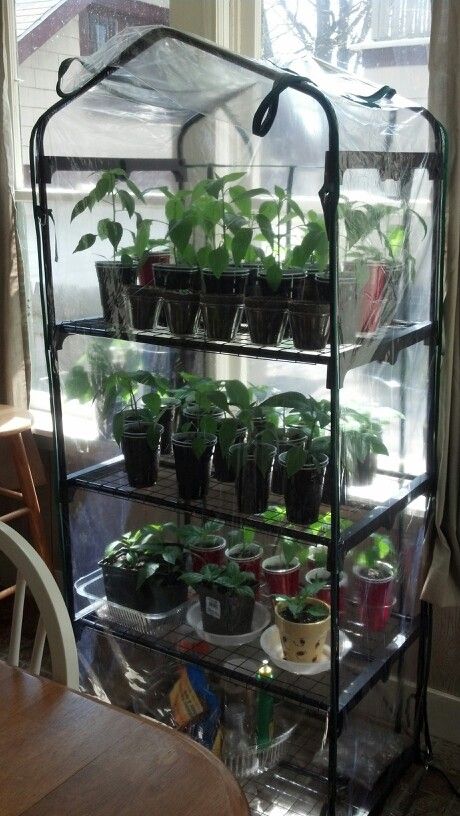
A few days ago, I ordered a greenhouse and put it in front of a south window. With this, I will be growing herbs, vegetables, fruiting plants and, of course, plant some cuttings from tropical plants. Bringing my gardening passion into my apartment in the wintertime is also a great way to improve my indoor air quality. A little complicated chemical fact: plants breathe in carbon dioxide and expel oxygen, whereas humans breathe in oxygen and expel carbon dioxide. Seems like plants and humans are made to live together! The benefits of growing my herbs and vegetables inside do not stop with the fresh air in the greenhouse. It also means I have fresh and organic products with my dinner whenever I wish. Rain, wind, drought and animals are also eliminated when I keep my miniature garden inside.

I ordered a simple and cheap version. It comes with a metal frame with little wheels and something like a plastic tent for covering. Inside is plenty of space for my baby plants; it is lightweight, easy to move and the cover comes with two zippers which makes opening and caring for the plants fairly easy.

Heating mats, growing lights and a little humidifier will increase the growth of my plants. As in the summer, most plants like it nice and warm. At first, I will try to grow some tomatoes, cucumbers, baby carrots, mint and basil.

With some tender loving care, lots of light, warmth and, of course with little talks, young plants will grow soon in my indoor greenhouse.

I hope I inspired you to grow own seeds in the wintertime. Feel free to ask me everything.

Lovely greetings,

Pauline
#1 Beginner Guide

Firstly, even the best plant parents kill a plant from time to time. The first step to create an indoor jungle is to choose the right plants. There are two types of people: The ones that are often at home find it relaxing to care for their babies and give them very much attention. On the other hand, some people are never at home and travel frequently. That doesn’t mean that you cant have houseplants. It just means that this person needs a hardy and forgiving plant that is low-maintenance. 

As anyone can see – it all depends on how much time and attention someone is willing to give and how the light conditions are.

Plants, much like humans, have different characters and preferences. Some plants like their soil moist, not wet or dry, moist. Some plants love the direct sunlight while other plants instant get burned leaves because they prefer the indirect and lower light. 

There are a few plants that are great in dealing with unsteady watering, uneven or bad light, and even, changing temperatures. 

1. Golden Pothos 

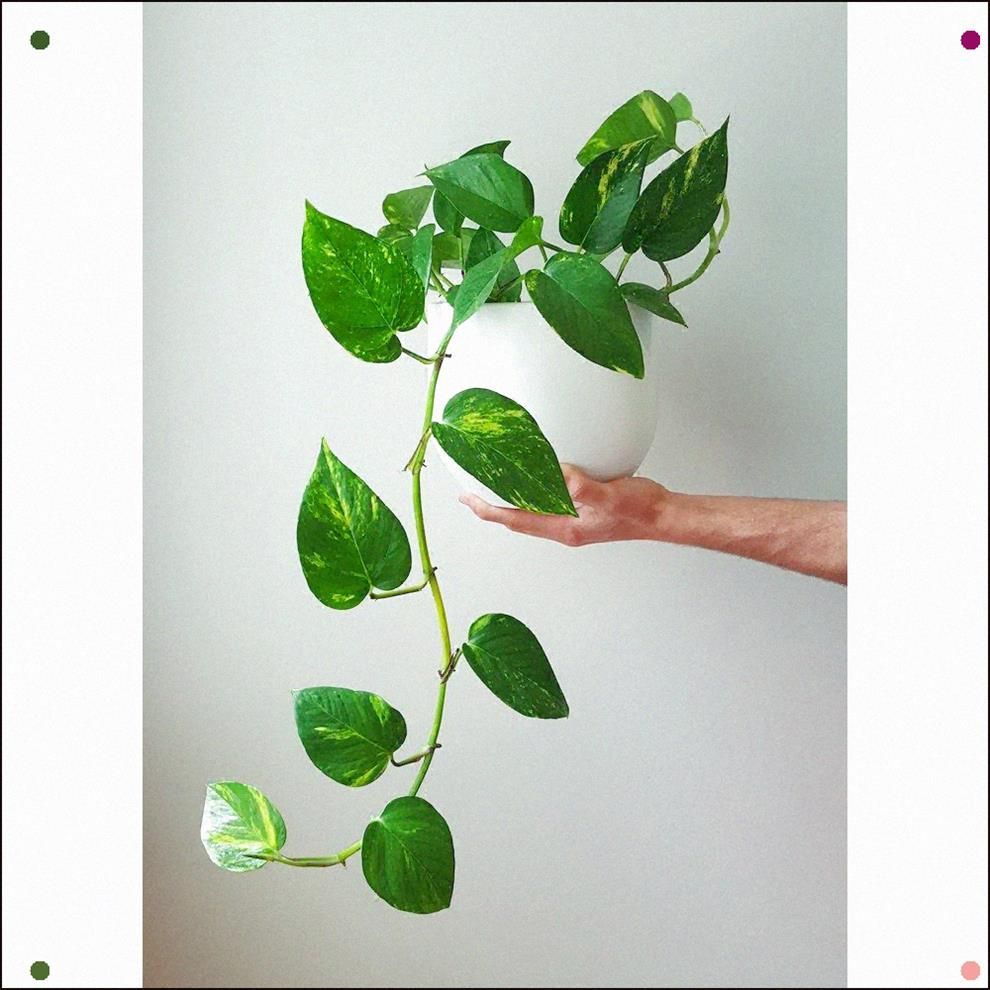
The Golden Pothos (Epipremnum pinnatum “Aureum”) is one of the most popular hanging plants. The plant grows aggressively with minimal care. With better care large, mottled and mature leaves develop. It can grow in low light and loves moist soil.

2. Snake plant 

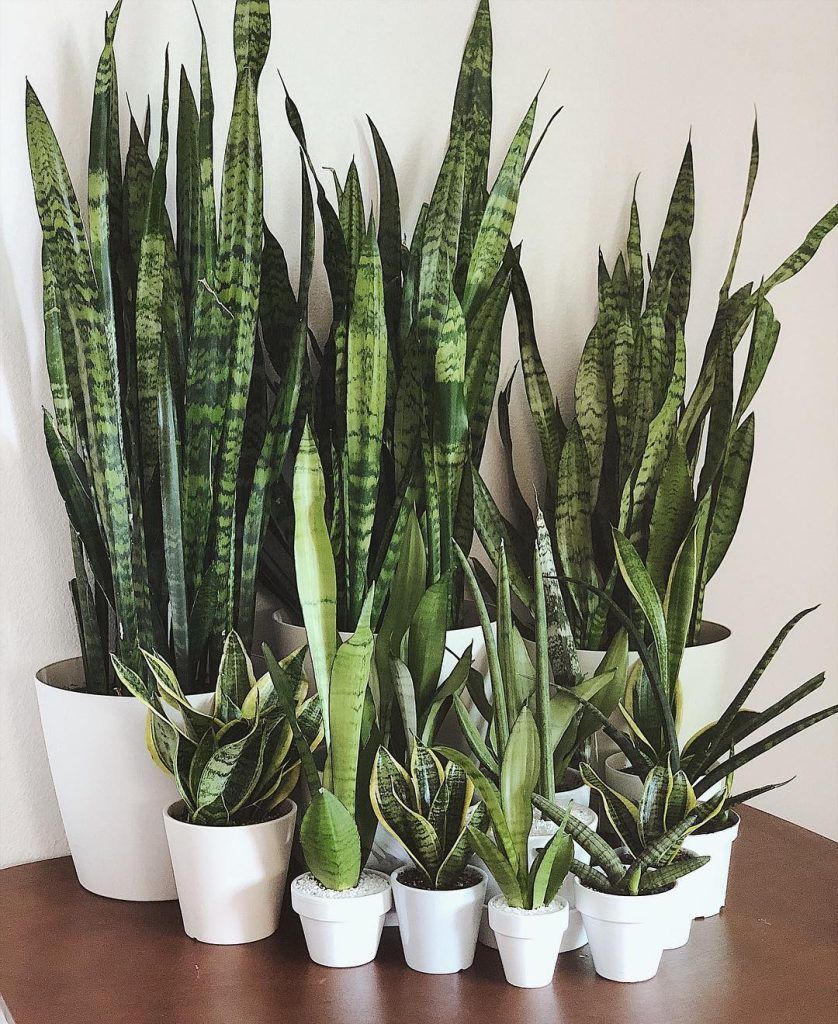
The Snake plant (Sansevieria) likes plenty of light but can also handle less if necessary. The same applies to watering.

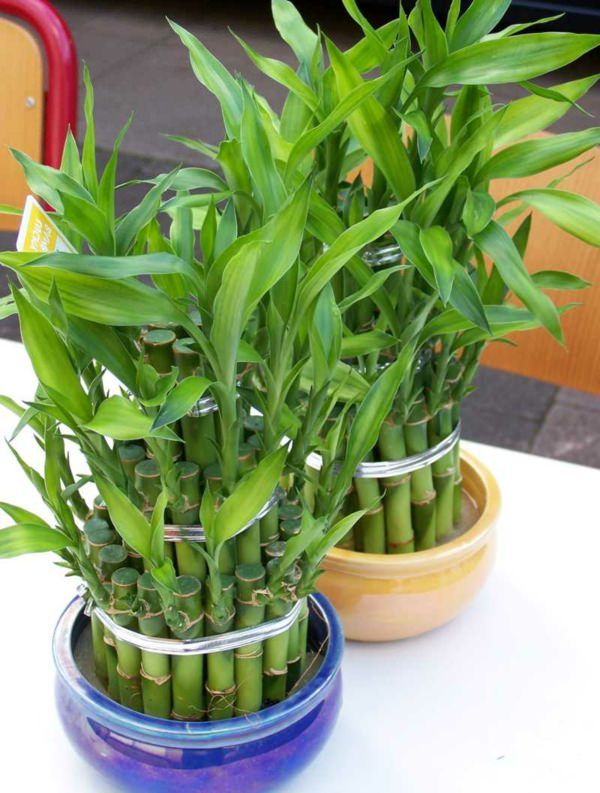
3. Lucky Bamboo

The dracaena species is the persistant office plant. They can grow in awful conditions, such as sporadically watered with bad lighting and poor air quality. Many people believe they enhance the energy of their surroundings. This plant loves fertilizer in the summertime. 

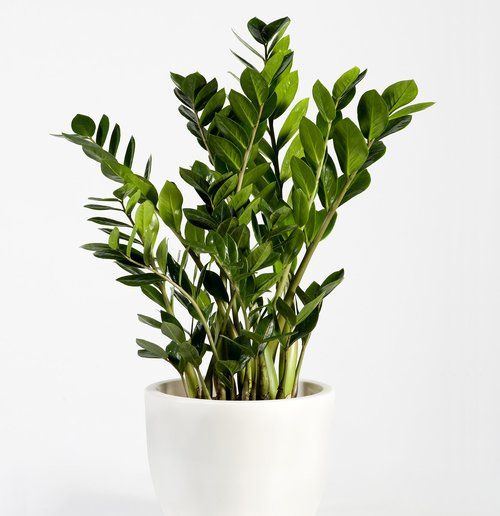
4. ZZ plant

One of my favorites – the ZZ plant. Also called “Glücksfeder” (Zamioculcas zamiifolia). It’s super-tough and highly resistant to adverse conditions, such as drought and low light and less water. 

I hope this inspired you to also buy some plants. Feel free to ask me for plants that fits to the conditions in your apartment.

Yours,

Pauline

Hi everyone

My name is Pauline, I am 24-years-old and from Erfurt.

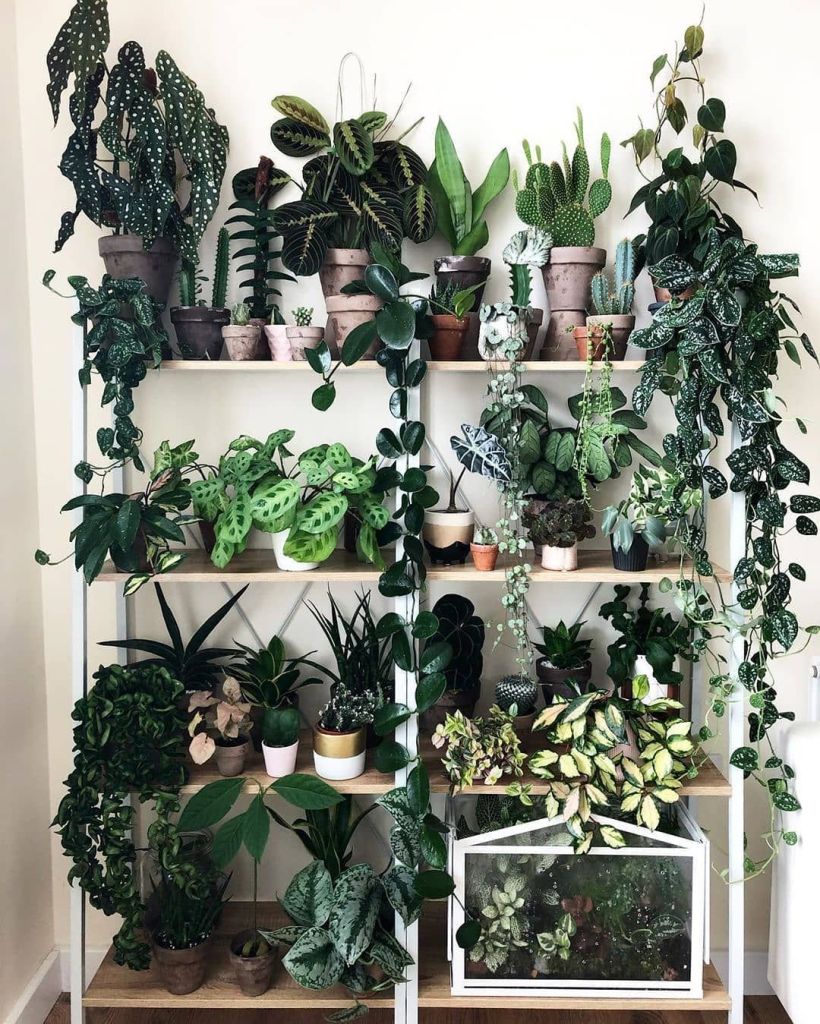
Nature has always fascinated me. All the shades and shapes Mother Nature has brought up are amazing! A few years ago I started bringing plants into my home. It all began with a few common plants. I was so delighted to see how my plants grew from day to day knowing this happened through my love and care. I thought – if just two or three plants make me that happy, how happy would I be with even more plants? Here I am now, addicted and crazy for plants.

In my blog, I would like to share tips about plant parenthood and how everyone can easily green up their homes. I will show the difference between common and rare plants including the tropical variety. I want to explain which sorts are deadly (if someone is so short-sighted to eat them) and cleanse the air, keep gnats and spiders away and share how it feels to live in an indoor greenhouse.

In a nutshell – this blog is about the basics of responsible plant parenthood and I really hope it will convince you to bring a little bit of life into your home. Green thumbs up! 🙂

Yours,

Pauline

Design a site like this with WordPress.com
Get started