My name is Pauline, I am 24-years-old and from Erfurt.
Nature has always fascinated me. All the shades and shapes Mother Nature has brought up are amazing! A few years ago I started bringing plants into my home. It all began with a few common plants. I was so delighted to see how my plants grew from day to day knowing this happened through my love and care. I thought – if just two or three plants make me that happy, how happy would I be with even more plants? Here I am now, addicted and crazy for plants.
In my blog, I would like to share tips about plant parenthood and how everyone can easily green up their homes. I will show the difference between common and rare plants including the tropical variety. I want to explain which sorts are deadly (if someone is so short-sighted to eat them) and cleanse the air, keep gnats and spiders away and share how it feels to live in an indoor greenhouse.
In a nutshell – this blog is about the basics of responsible plant parenthood and I really hope it will convince you to bring a little bit of life into your home. Green thumbs up! 🙂
As this semester and therefore the blog is coming to an end, I would like to give you a small glimpse into the future of my apartment.
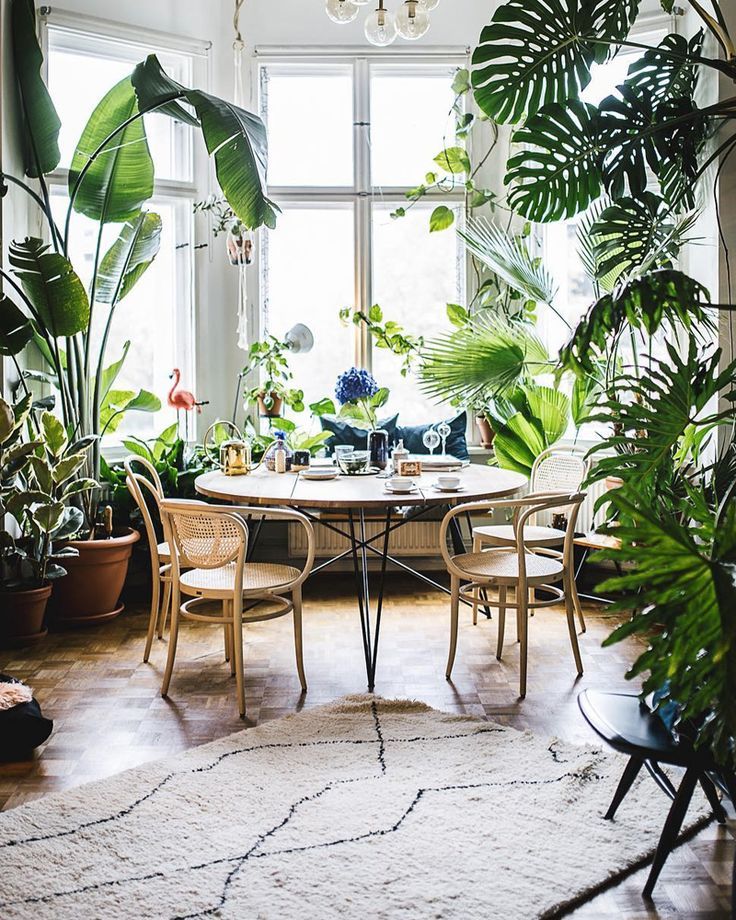
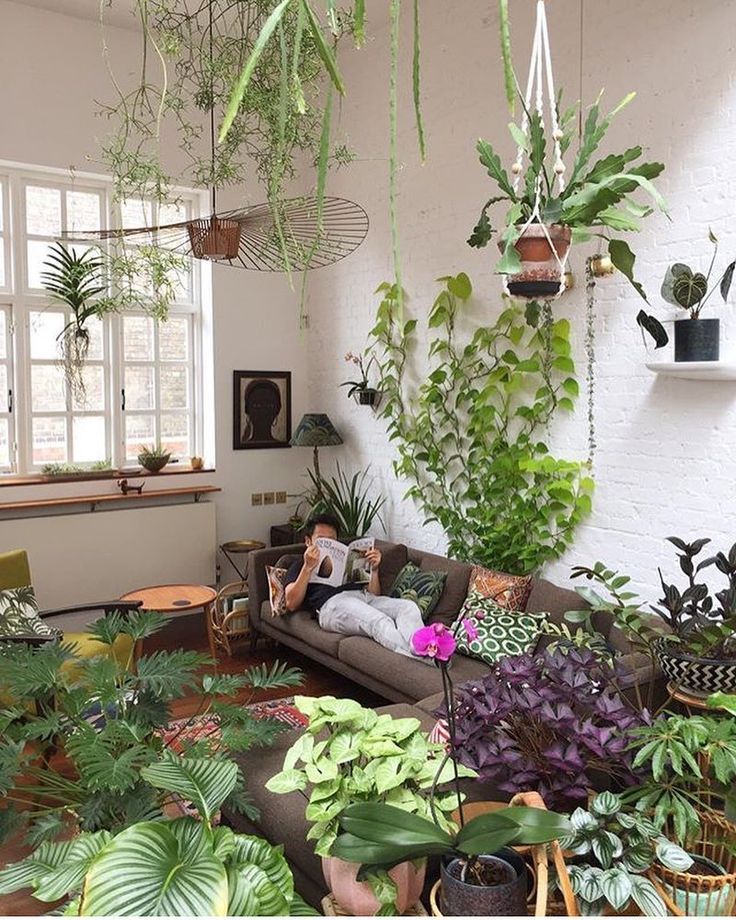
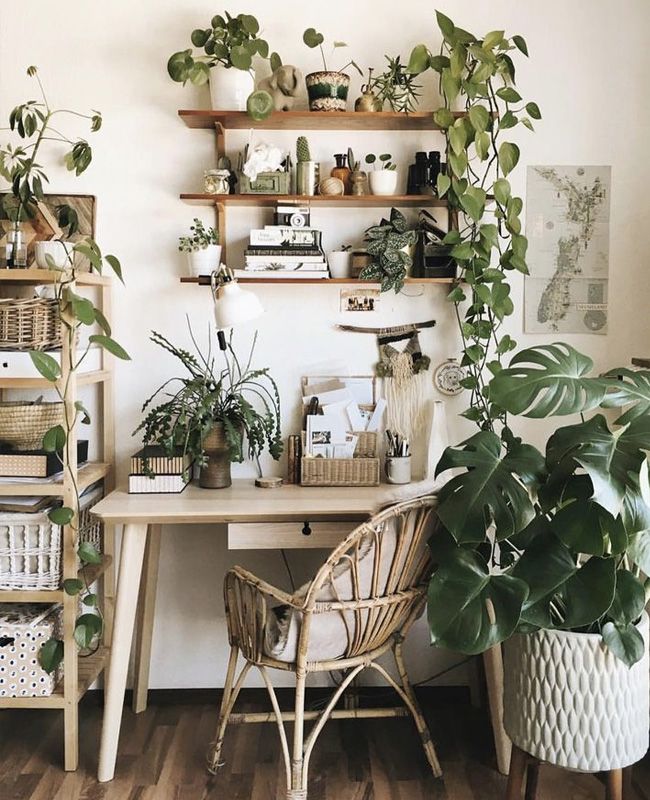
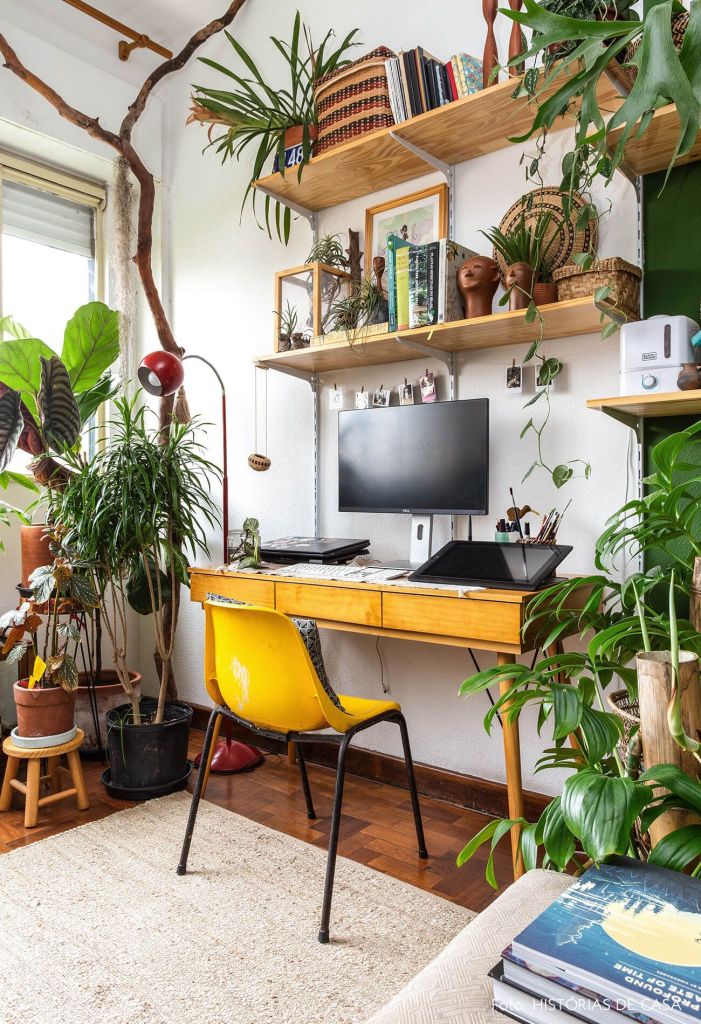
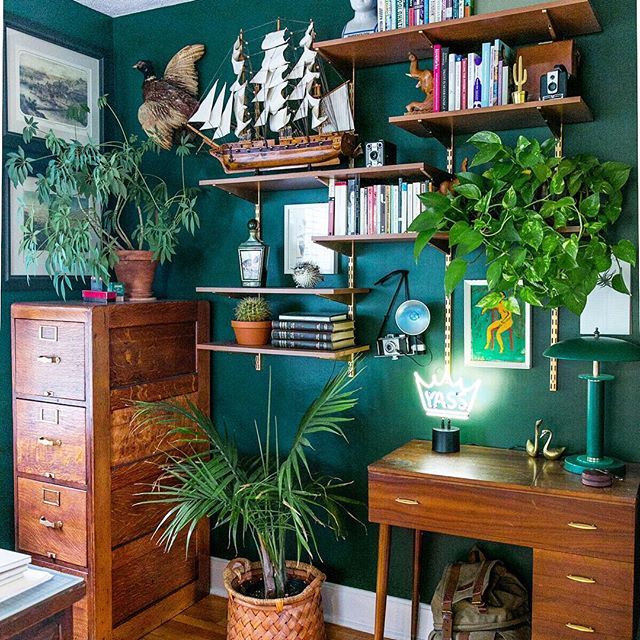
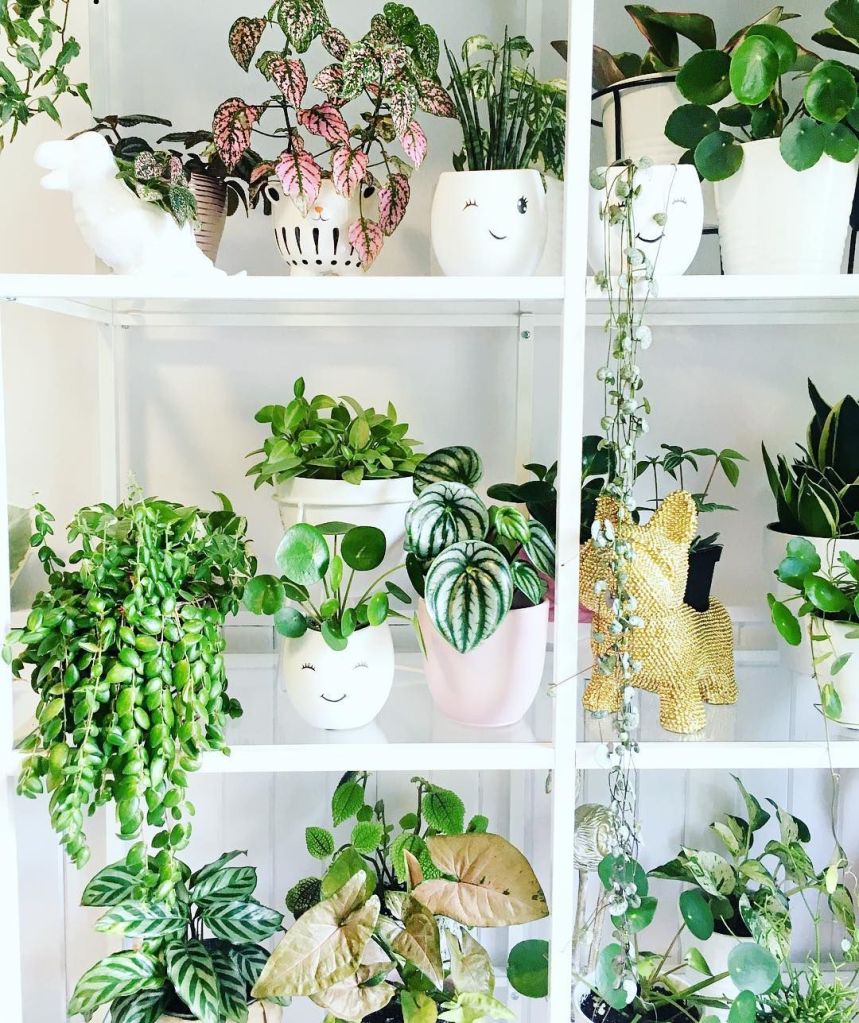
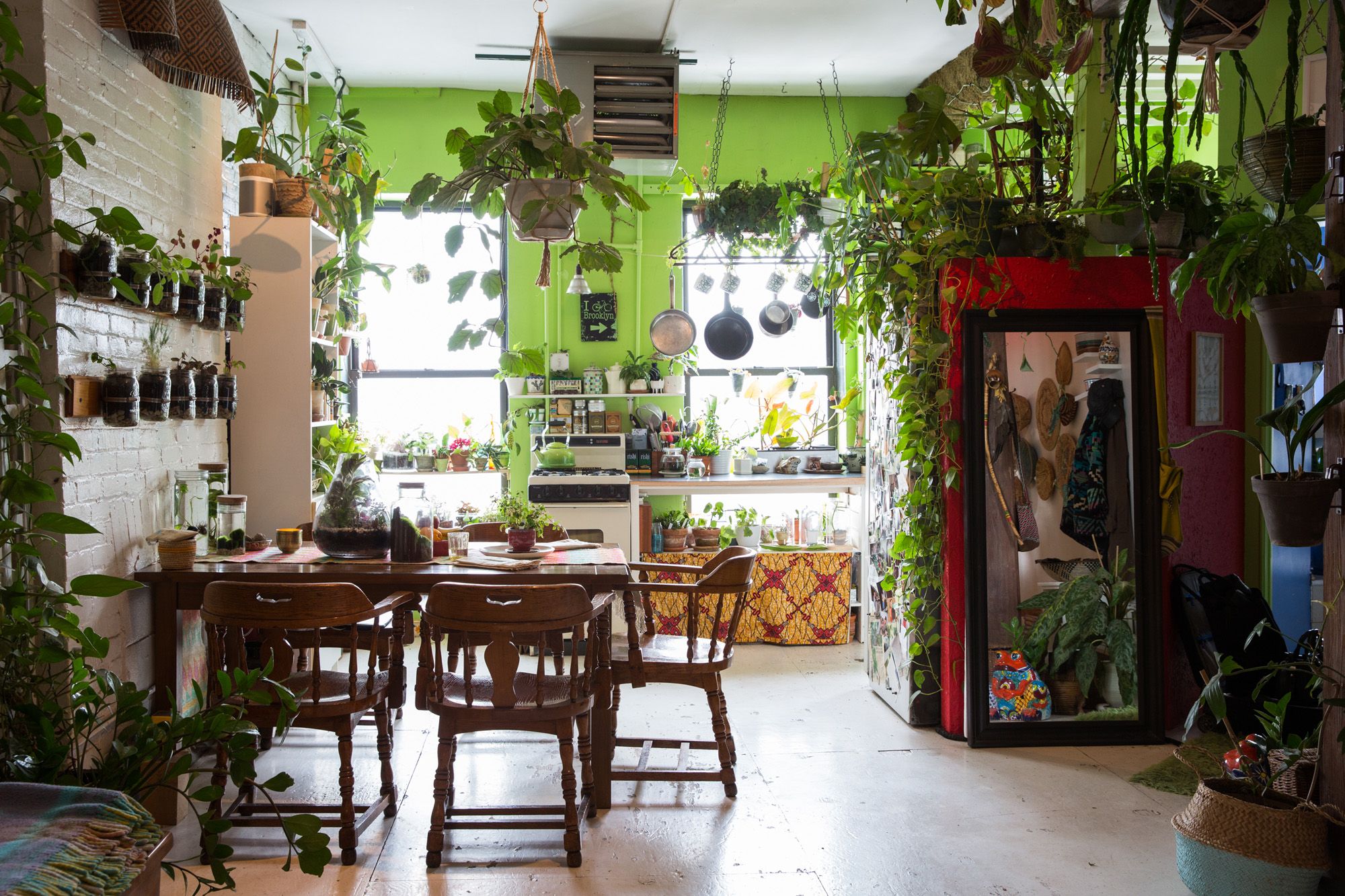
Currently, I live in a small apartment in a suburban area with about sixty to seventy plants. I try to grow a little jungle in my apartment and it works pretty well. I use what I have to arrange my plants – bookshelves, windowsills, and hooks in my room ceiling help creating a wonderful plant space.
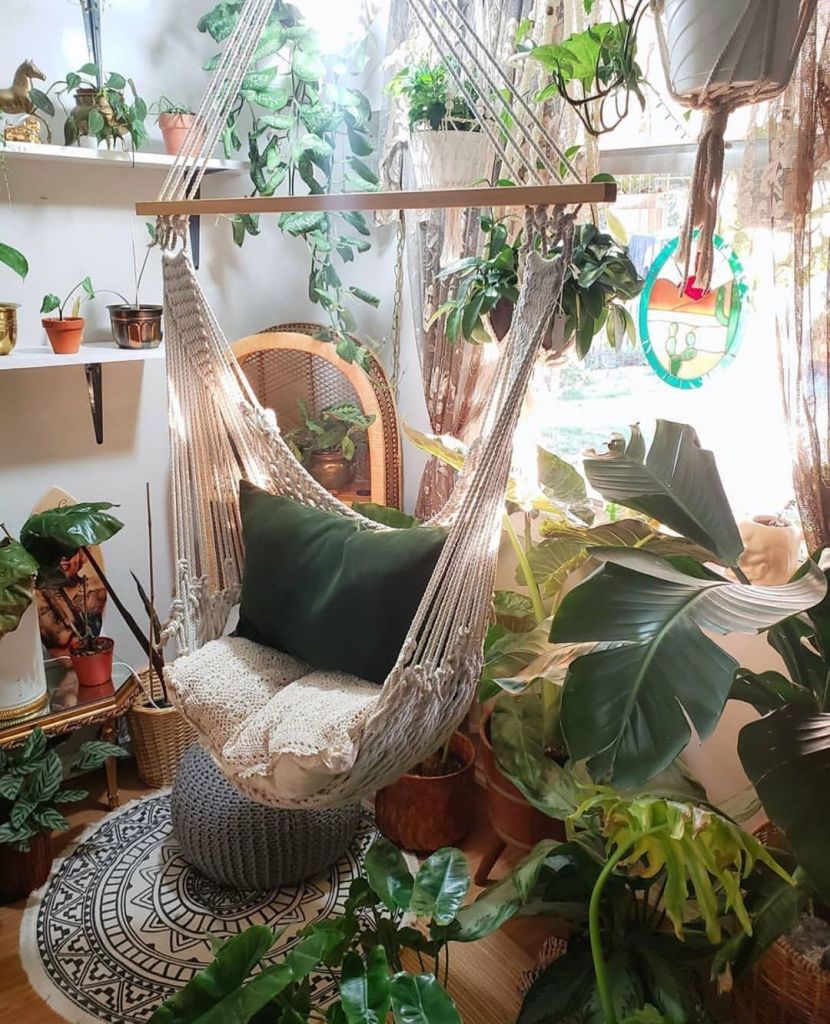
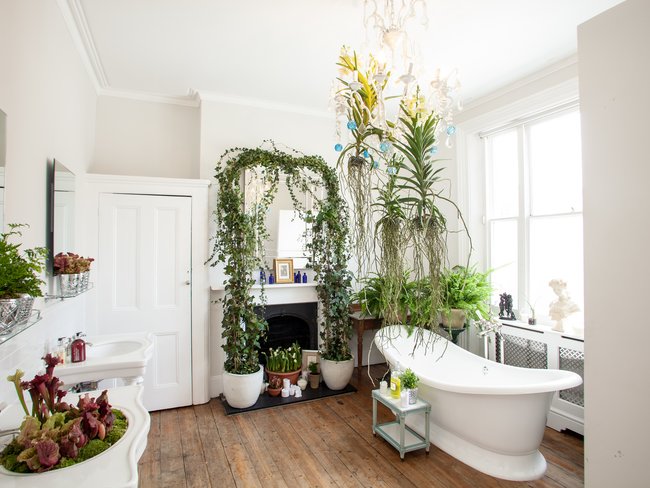
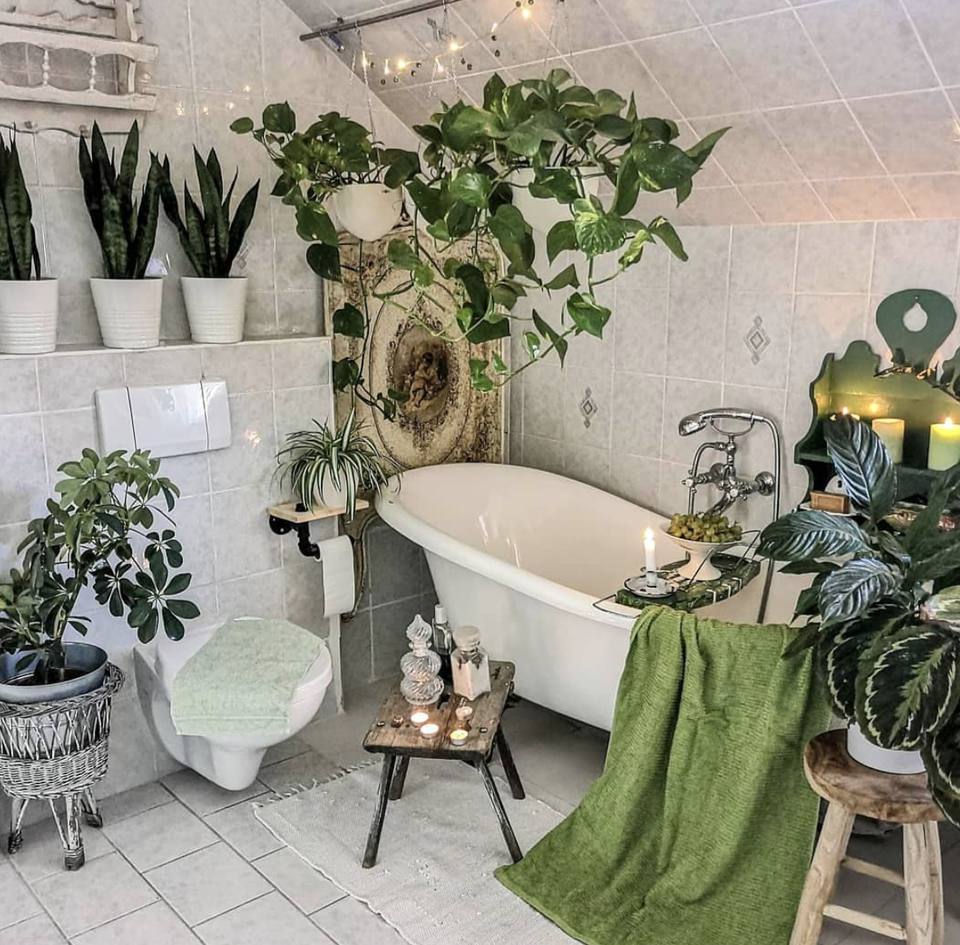
However, I have not arrived at my goal yet. I want the plants to hang wildly from the ceiling and for every free corner to be green and cozy. My visitor’s eyes should to literally fall out of their heads when he or she enters my home. As soon as I enter my own apartment, I want to have the feeling that I am in a rain forest on the other side of the world.
I know that this sounds strange and over-the-top to many people, but this is my way of being happy and feeling comfortable in my apartment. I would also never call the care of my plant’s “work”, but rather a kind of therapy to get some relaxation and peace.
Feel welcome to see my little jungle. Until then – green thumbs up and keep growing!
Every one of us has nursed a plant to death and then probably thrown it away. No one has to be ashamed of that. In this blog entry, I would like to give you a few tips on how you can save plants believed dead and bring them back to life.
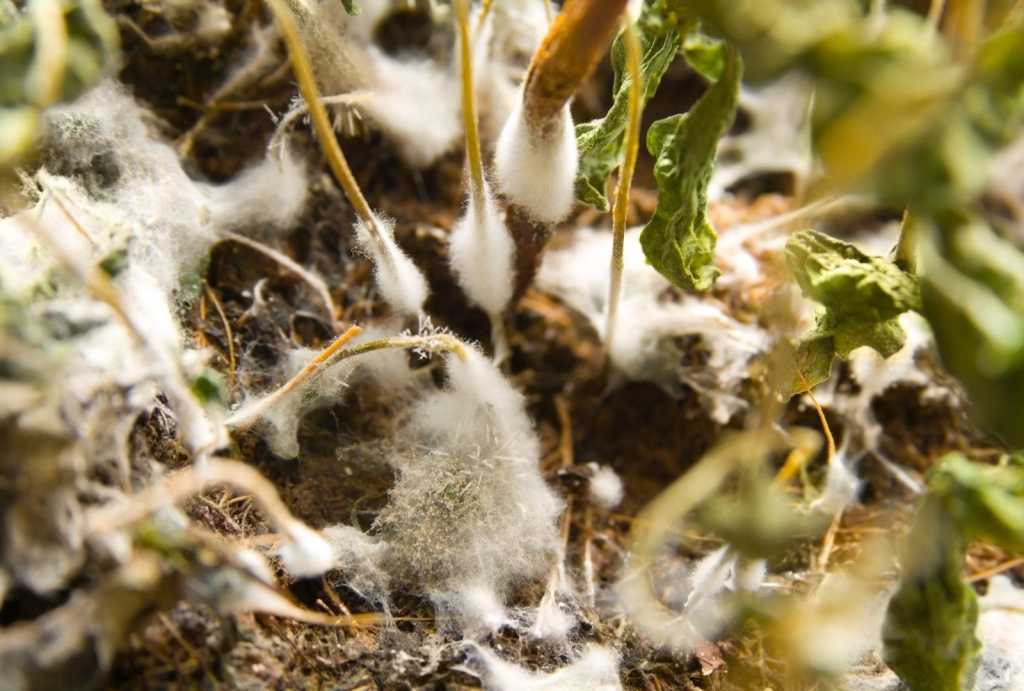
If the leaves of the houseplant are turning yellow, the soil is moist and if there is white mold or green fungus on the top of the soil, the plant is probably overwatered. In my blog entry #3, I gave some tips about how to water a houseplant correctly.
If the leaves look droopy and start wilting, it is a sign that the plant needs to be watered. The goal is to have an evenly moist soil without the roots sitting in water. Most of the indoor plants are tropical and like their water warm (room temperature).
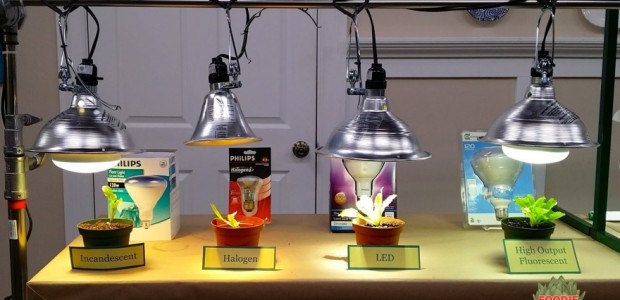
Blanched leaves with brown spots can be a sign of too much sun. Especially ferns and calathea do not like bright, direct sun. On the other hand, spindly and stretched plants that start dropping leaves may do not get enough light. Most of our houseplants love medium to bright light. If the natural light in one’s apartment is really low, artificial light may help to make plants happier. There are several growing light options. Cool LED bulbs with more than 1,000 lumens are perfect.
Crispy edges and brown or black leaves are often a sign of too much fertilizer. The plant will start falling apart frighteningly quickly. On the other hand, too little fertilizer can stop the plant from growing; fertilizer is pretty important for a long life because it is a multivitamin for the plant. It is highly important to follow the instructions on the label.
If the plant is brown and looks dead, it probably is dead. The rubber tree and the fiddle-leaf fig are woody plants and can recover if they died back to the stalk. One has to give it light, fertilizer, water, and some love and with some luck it regrows. The same luck is possible with plants like monstera and pothos, as long as there is a little vine or stem with a node left.
I hope this helped you to save your dying plants. If you need more growing tips for your houseplant, see this curated guide .
Houseplants not only clean the air; they also reduce noise and stress levels. Studies have proven that indoor plants improve productivity and concentration (by up to 15percent!) and boost your mood – what makes them perfect for not just your home but your workspace, too.
At work, especially plants with broad leaves will help regulate humidity and increase levels of positivity – watching plants grow and seeing nature help us feel calmer and more relaxed during the day. Indoor plants serve a practical and aesthetic purpose and will enhance our life. They also make us feel more creative and productive and ease symptoms of anxiety.
After adding plants to an office, Roger Ulrich, director of the Center for Health Systems and Design at Texas A&M said: “People’s productivity, in the form of innovation and creative problem solving, improved, which in certain circumstances could mean the difference between mild and great business success.” He also said that even the simple act of watering plants can help the workers feel relaxed. “It gives workers a break from the mundane and allows them to come back to tasks more refreshed, focused and ready to complete their work.”
Different studies have found that plants – sent to patients in the hospital – help improve mood by lowering anxiety. Plants boost health and wellness in the following ways:
People surrounded by plants may have lower blood pressure
Workplace plants boost focus and help workers being productive
Best Indoor Plants to Spark Happiness
Lavender contains the terpene linalool which instantly brings a sense of calm. Therefore, it is a perfect plant to grow indoors, allowing the natural aroma to infuse your space.
A small herb garden can fill a kitchen with aromatherapy benefits while upgrading fresh meals.
Miniature citrus trees not only produce fruits. The citrus scent helps freshen the space and promote feelings of vibrancy and energy.
Growing Plants can also Improve Mood
Most gardeners are happy and calm people, not only because they get close up to nature. It is also therapeutic, experts say. Dr. Benjamin Rush (died 1813 at age of 67 years), who was known as the Father of American Psychiatry, was the first expert who recognizes and documents the power of gardening on those with mental illness. This shows that the power of plants was already recognized way back, and it is possible to continue to experience similar health benefits in the modern as well. Furthermore, some researches by the Nasa suggested that houseplants can remove up to 87% of air toxin in 24 hours. Isn’t that amazing?
If you do not have a green thumb, start with easy plants like Pothos and succulents, as I already mentioned. You do not need to turn your space as green as Summer Rayne Oakes in my #8 blog post. A few plants in each room will reduce anxiety, boost your productivity and improve your satisfaction. Do I need to say more?
As I already mentioned in my blogpost number #9 and #10, indoor plants make us feel good. Several studies have shown that indoor plants boost our mood, concentration, creativity, and productivity. They clean indoor air by absorbing toxins while they producing oxygen and increasing the humidity (which is especially good for keeping one’s airways smooth). Plants reduce stress, colds and fatigue and they are therapeutic and, of course, cheaper than a therapist.
Plants Against Air Pollution
The term Sick Building Syndrome describes symptoms experienced by actually healthy people working in a large commercial building. They suffer from allergies; irritation of the nose, eyes, throat; dizziness, fatigue, and headache; nervous system disorders; and respiratory and sinus congestion. It also decreases the productivity of the workers.
What is the cause? Indoor air pollution. This is generally a consequence of toxic emissions from synthetic building materials, viruses, airborne mold, and pollutants, along with energy-efficient construction (like making workspaces as airtight as possible) which leads to less air circulation. This releases toxin emissions such as formaldehyde, xylene, and toluene. This is gross, right?!
These compounds can be found in almost every home. Most wall paints, laminates, computer parts, and plastics break down over time and release toxic compounds into our air. However, here is some good news! We can improve our indoor air quality with plants. They absorb harmful toxins, breaking them down into little gentle byproducts, and storing them inside their soil to use them later for food. I cannot describe how fascinating and great this process is!
The ZZ Plant (Zamioculcas zamiifolia) is the perfect choice for everyone with low light conditions and bad watering behavior. They are extraordinarily dry-tolerant and low maintenance. The ZZ Plant have been shown to filter benzene, xylene, and toluene from the air.
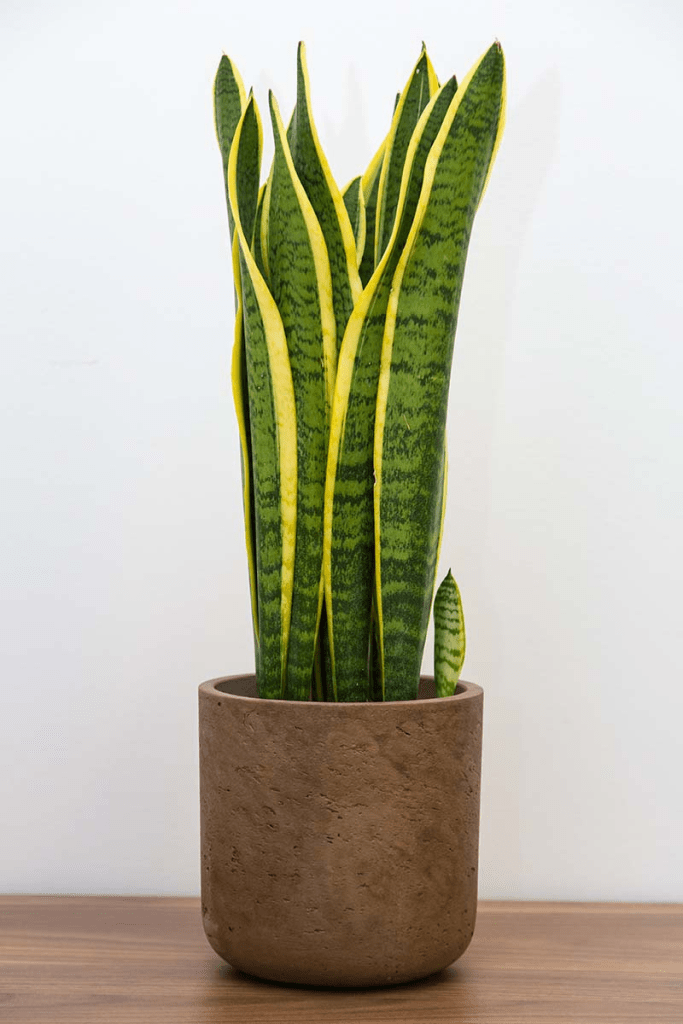
This plant has thin, upright leaves with a pattern like the skin of a reptile. They can deal with almost every condition and are very modest. Snake Plants have been shown to filter formaldehyde, xylene, toluene, and benzene out of the air we breathe.
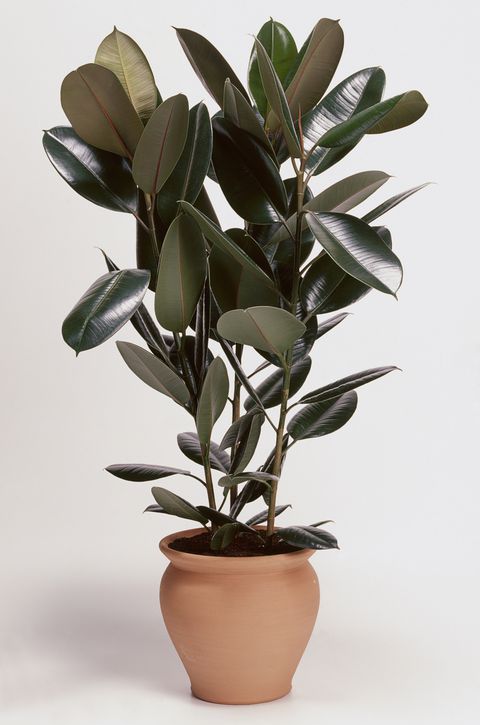
Rubber Plant
This variety of ficus has thick upright stems with oversized, glossy leaves. Rubber Plants have been shown to filter formaldehyde.
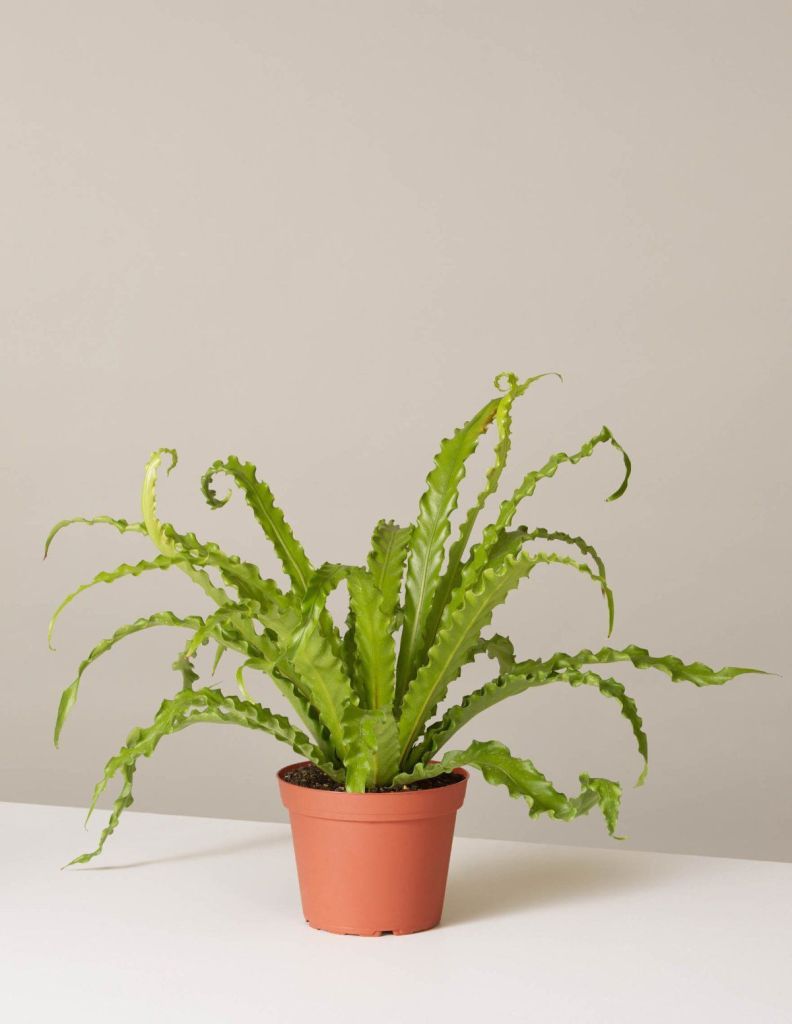
Bird’s Nest Fern
The Bird’s Nest Fern is characterized by ripple-edged fonds that grow out of the top like a crown. It is a lovely hanging plant. Ferns have been shown to filter xylene, toluene, and formaldehyde.
To reap the benefits of air-purifying plants, have at least two plants per 100 square feet. Keep also in mind that plants with larger leaves purify the air quicker. As you can see: the more plants, the better. Now go out and green up your living space, lovely plant lover!
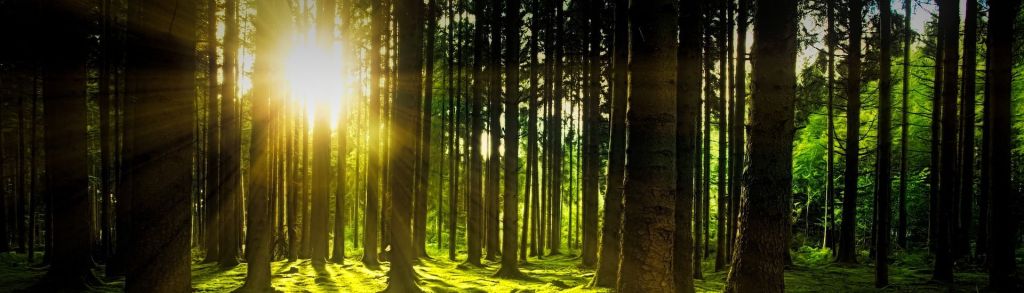
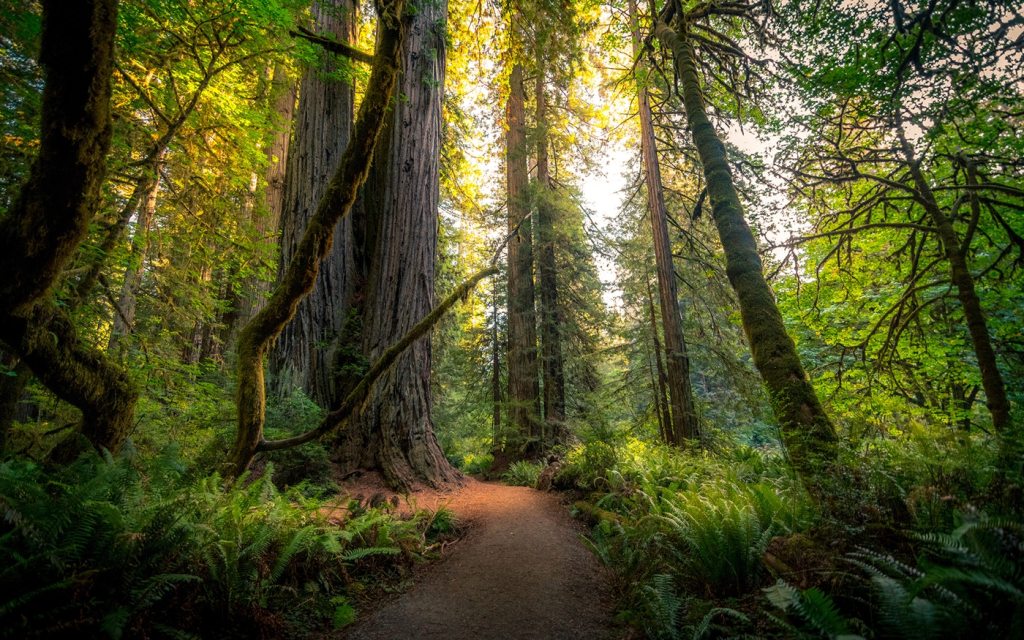
I know this blog is more about houseplants than about other natural topics. However, this blog entry is about the “International Day of Forests”. We should all be more aware of our nature and all the little wonders inside.
The International Day of Forests is celebrated on 21st March every year. Back in 2012, the United Nations General Assembly announced this global day of celebration to raise awareness of the importance of all trees and woodland on the earth. Countries are encouraged to organize local, national and international activities involving forests and trees, such as symposiums, art exhibitions, photo competitions, and tree planting campaigns.
The theme for 2019 was to focus on the benefits of forests and sustainable cities. Here are some key messages from 2019:
The positive effects of trees on the local climate.
Urban trees as air filters.
Trees reducing noise pollution in urban areas.
How trees can provide a source of fruits, nuts, and leaves to local populations.
The provision of renewable energy.
Understanding our forests and keeping them healthy.
2020, the celebration of the International Day of Forests will focus on Forests and Biodiversity. The biodiversity of our forests is under serious threat from deforestation, climate change, and degradation.
Forests cover one-third of the Earth’s landmass, performing vital functions around the world. More than 2,000 indigenous cultures depend on forests for their medicines, fuel, food, and shelter. Forests are the home to more than 80% of species of animals, plants, and insects. Global deforestation continues at an alarming rate – more than 13 million hectares of forest are destroyed.
Climate talks in Cancun, Mexico agreed on schemes for reducing emissions from deforestation and forest degradation. However, without locally controlled forestry this will not stop the pressure on our forests. The world population is set to rise from 6.4 billion in 2005 to 8.2 billion by 2030. That means more pressure on forests to satisfy our needs for energy, water, and food.
How do we stop the forest count down?
The greatest hope is to put the commercial control of forests into the hands of local people. Local people generally value forests for more than cash alone. They are also the only ones who can control unplanned or illegal forest clearance.
As you can see, it is quite important to protect our forests. If you need a few more reasons to celebrate this day, then watch this video.
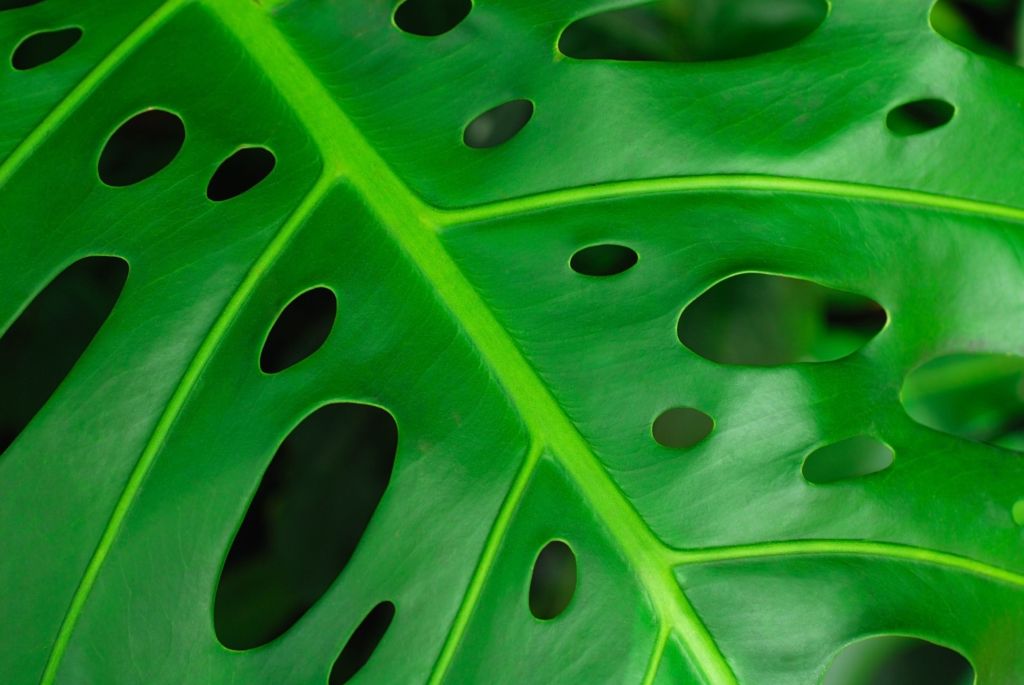
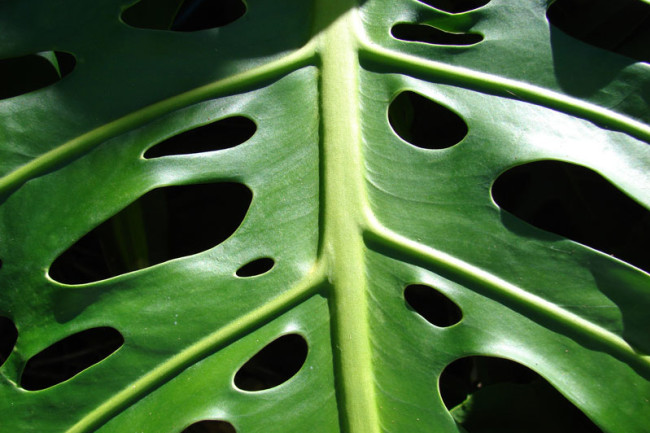
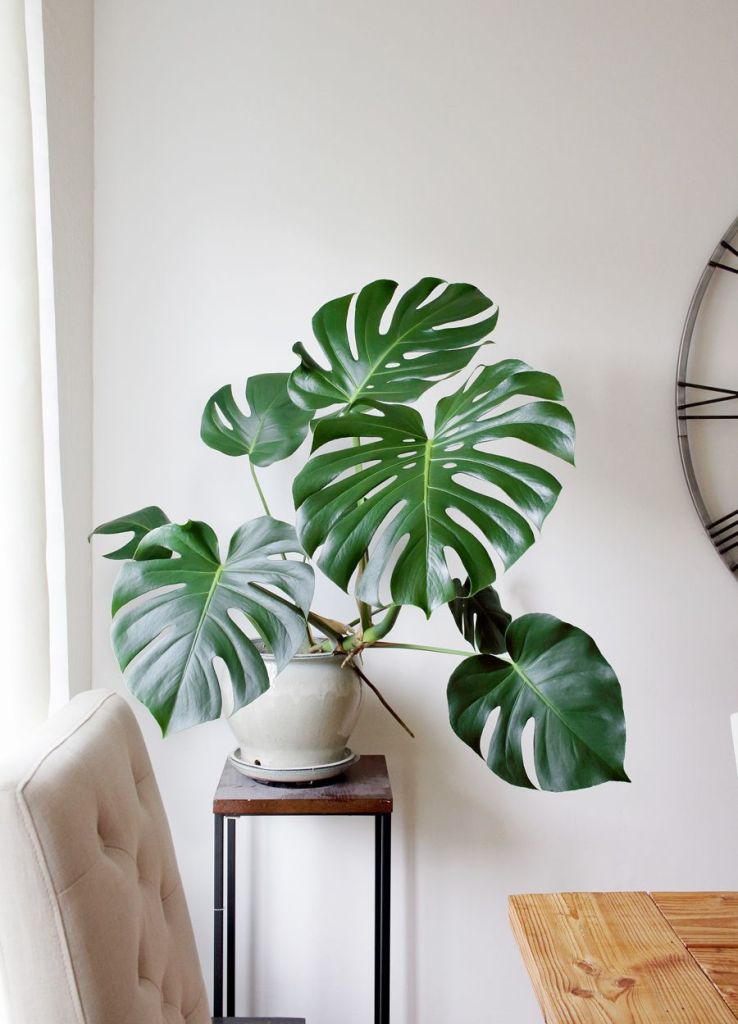
My all-time favorite plants are the Monstera deliciosa and Monstera deliciosa variegata. The Monstera is also called the “swiss cheese plant”. Why? I think it is quite obvious. Monsteras are famous for their natural leaf holes what is also called “leaf fenestration”. Why do they have these holes, is the question?
In the wilds of the jungle, Monsteras can grow to be enormous: dozens of meters tall with sometimes odd-looking leaves that spread to nearly one meter wide. There have been many discussions and speculations on how and why Monsteras make those leaf holes. Some have assumed that they create holes to resist the strong winds of hurricanes, like the bird of paradise in the right picture. However, if the adaption was to rest hurricane winds, then all tropical plants would have similar adaptions. Others suggest that the holes allow the excessive rain to come in contact with the roots. On the other hand, Monsteras are native in tropical rain forests where it rains nearly every day. There is enough water to reach the roots. After all, one might say the “hole theories” have holes in them – there is no good explanation and little evidence.
Christopher Muir, a former professor at Indiana University, wrote the paper “poking holes”. His theory is that the plant modifies the leaves to allow the sun to shine through the upper leaves to the leaves below. Monsteras grow from the rain forest floor and vining up the trees to acquire more light. This makes sense, right?
Here are some care tips for the Monstera as a houseplant:
They need a lot of space: one should put the plant in a statement-making spot, rather than in a tight corner
The Monstera needs a little grow support. Adding a pole nearby can be helpful.
Indirect sun and moderate watering are the best.
The point is, for whatever reason the leaves have these holes, it makes them attractive and special. The Monstera plant is currently one of the hottest plants on the market. Sketches of the Monstera as well as the plant itself can be found almost everywhere. What I love most about the Monstera is that every leaf looks different and you get a little surprise with every newborn baby leaf.
Back in 2016, my mother gave me a little Ficus as a gift and said: You really should start creating a green space. I was not very happy about it, because all my past plants died a very cruel death. After talking to my mother, for some reason, there was a turnaround. Today, I want to talk about my plant passion, why I love them and why you should do it too.
I started getting curious, stopped neglecting garden centers and rolling my eyes when people told impassioned stories about the way plants “talked” to them. No garden center was saved from me anymore. I could not pass any plant department without stopping for a moment to see if a treasure could be found and I started hunting rare plants. My apartment became very green. I had to bear a few losses, but my green thumb got better and better and my plants grew bigger and bigger. Since then until now I collected over 70 plants. Some more or less rare, with genetic mutations or just the low maintenance hanging plant Pothos.
Now I am the person who writes and tells impassioned stories about the way plants talked to me. I am a confessed plant lover and I want to tell why:
Plants make me happy. It is that plain and simple, this is the number one reason why I love plants. They just make me happy.
A boring and bare corner can be filled with plants nicely.
Plants are alive. They need food, water, and attention, just like us.
Every plant is different. They all have different patterns, colors, and behaviors.
They give oxygen because of photosynthesis.
Plants are the best gifts. I am a total plant giver all the time – Christmas, birthdays or just to make someone happy.
I love the way they grow and survive in nature.
Plants give me something to care about other than myself.
Without plants, would not be the world grey and empty?
Plants make everyone happy because of their colors.
Plants make my home look like a home. If someone would take all the plants out of my apartment, it would just look off. Plants are the sign of love and live and I think this is the reason why I have a bunch of them.
I hope some of my arguments could convince you to visit the garden center. If not, feel free to ask me for more reasons – I have a lot more to offer.
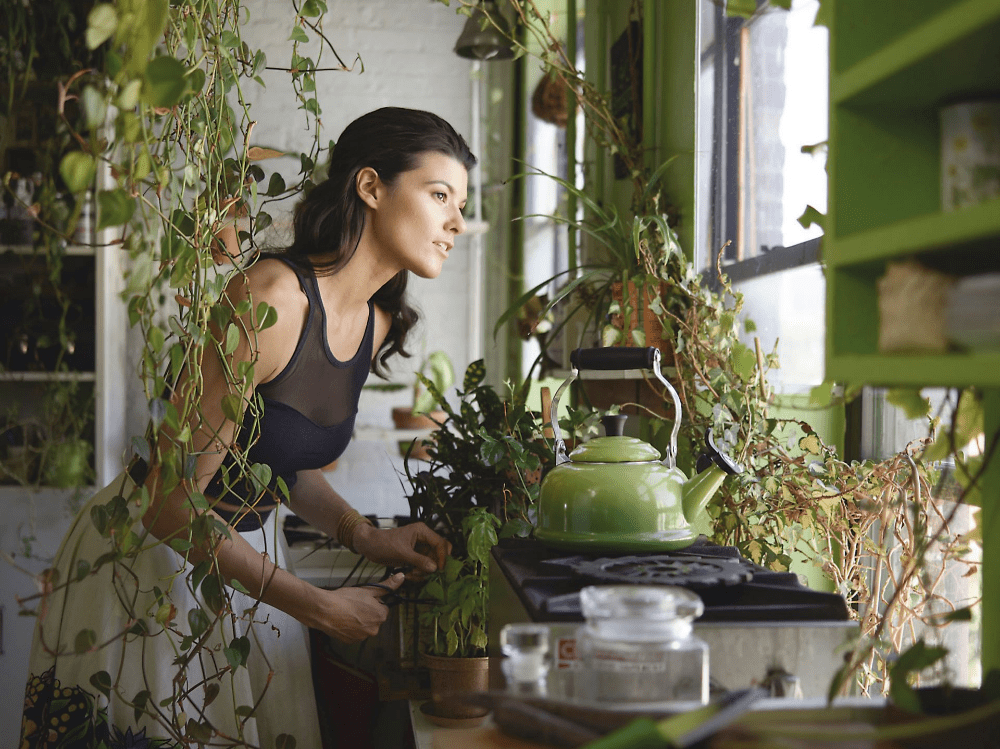
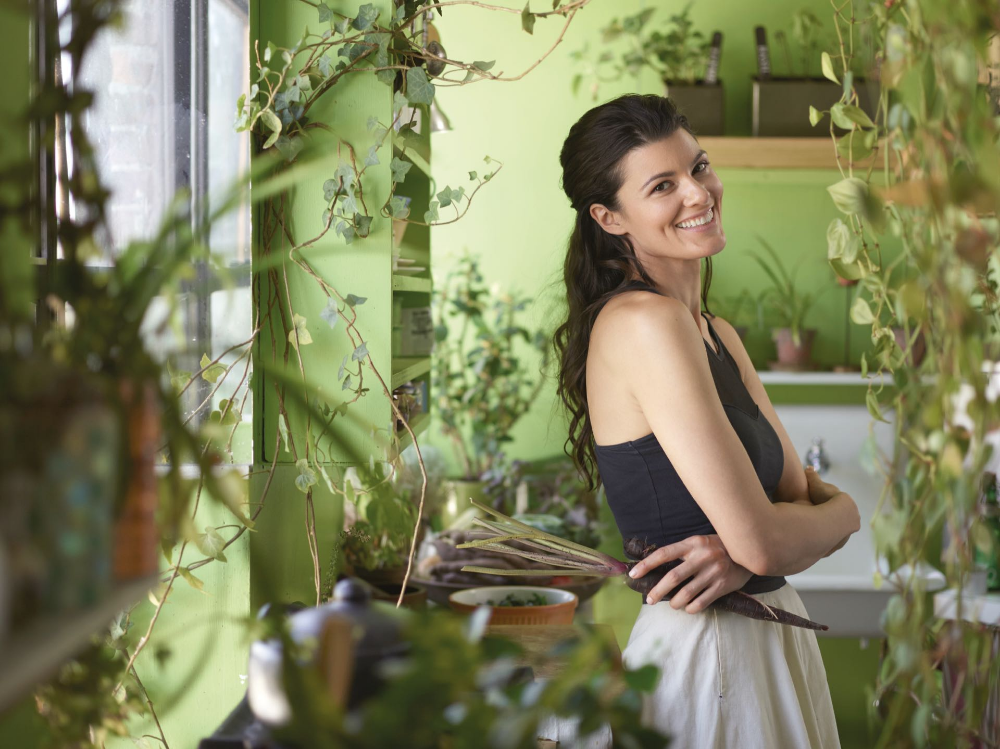
Almost a year ago, I stumbled across the YouTube channel “Plant One On Me” while I was looking for some propagation tips and I was thrilled. Summer Rayne Oakes was born in June 1984 in the countryside. She is an American fashion model, environmental activist, author and the adoptive mother of the hen Kippee. In 2005 she moved to Brooklyn to explore how she could help the industries with her environmental knowledge to impact our everyday lives. Summer has been focused on sustainable food, agricultural systems and our connection to what we grow and what we eat.
In 2014, she founded sugardetox.me to help people to come to terms with their sugar intake.
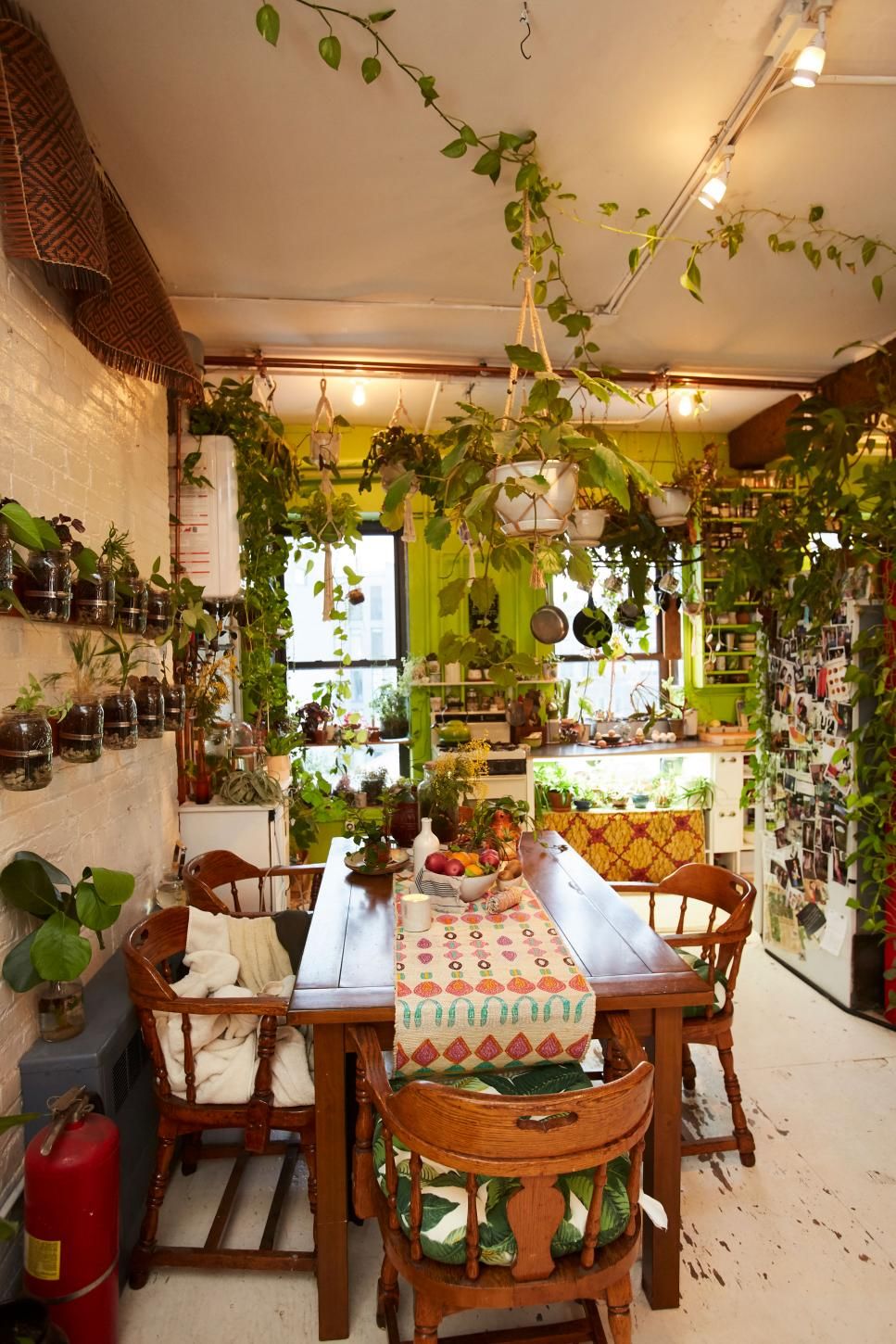
In 2016, her home went viral because of the over 700 plants she grows indoors.
With her blog and YouTube channel “Plant One On Me” and “Homestead Brooklyn”, she wants to reconnect people in the cities with nature through simple things: a walk through the botanical garden, a potted plant or even fruits from a farmers market. Summer focuses on gardening indoors and outdoors, cooking healthy, low-waste living and travelling with a purpose. In 2017, she released the first audiovisual course on houseplant cultivation, care and maintenance “Houseplant Masterclass”.
Over the past ten years, Summer became famous for her work in the world of fashion and she was recognized as the first eco-model.
Today she has more than 750 plants in her apartment in Brooklyn. On many YouTube Videos she takes us on room tours through her indoor jungle and explains how we should take care for some special plants. Furthermore, she gave us many watering hacks and how she manages to water more than 750 plants.
Summers lifestyle fits perfectly with my ideas about a balanced and happy life. I highly recommend you to watch her YouTube channel if you are interested in plants and a balanced living.
Increasing the humidity in the winter time is key for your houseplants. Especially during the cold, dry month. In the following blog post I will give you some tips to keep your houseplants healthy during the winter and throughout the year.
Generally, houseplants prefer 40-60% humidity because many of them are originally from humid jungle environments. Especially in the wintertime, this is difficult to realize in the winter when fireplaces and furnaces dry out the air. Therefore, it is essential to increase the humidity. There are several possibilities to keep the plants healthy and happy during the winter months.
What are the signs that a plant needs higher humidity?
Foliage get brown and crispy edges
Leaves starting yellowing
Plants begin to wilt
How to increase humidity?
Misting the plants. This will raise the humidity around the plant, but the effect is only temporary. Plants with hairy leaves (Purple Heart, Stretocarpella, African violets, …) should never be misted.
Creating a microclimate. Plants can be placed in a group – this will create a pocket of humidity. One can put a dish of water or small watering can in the middle.
Getting a humidifier. Good for plants and good for humans to add some extra humidity.
Giving them a bath. One can give their plants a shower or a bath. This will not only give them some extra humidity, but will clean any dust from there foliage where tiny pests like to hide. Lukewarm water should be used.
Hanging up laundry. One can hang up their freshly washed clothes near the plants. This will also increase the humidity around them.
Leaving the door open after showering. The warm and humid air after showering is perfect for plants. One can leave the door to the apartment open instead of opening the windows.
I hope these tips will help to get your houseplants healthy through the winter season. Never forget to ventilate your home or department, otherwise mold may develop. Feel free to contact me if you have any questions.
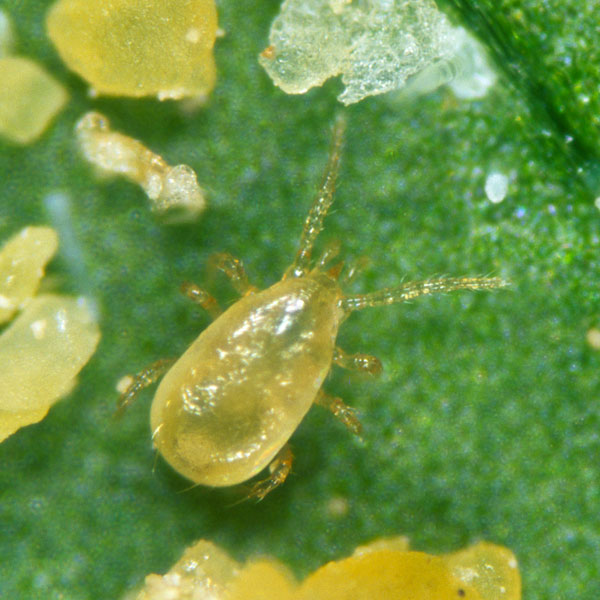
In this article, I will make aware of the pest problem, how you can identify it and which possibilities you have to fight against them.
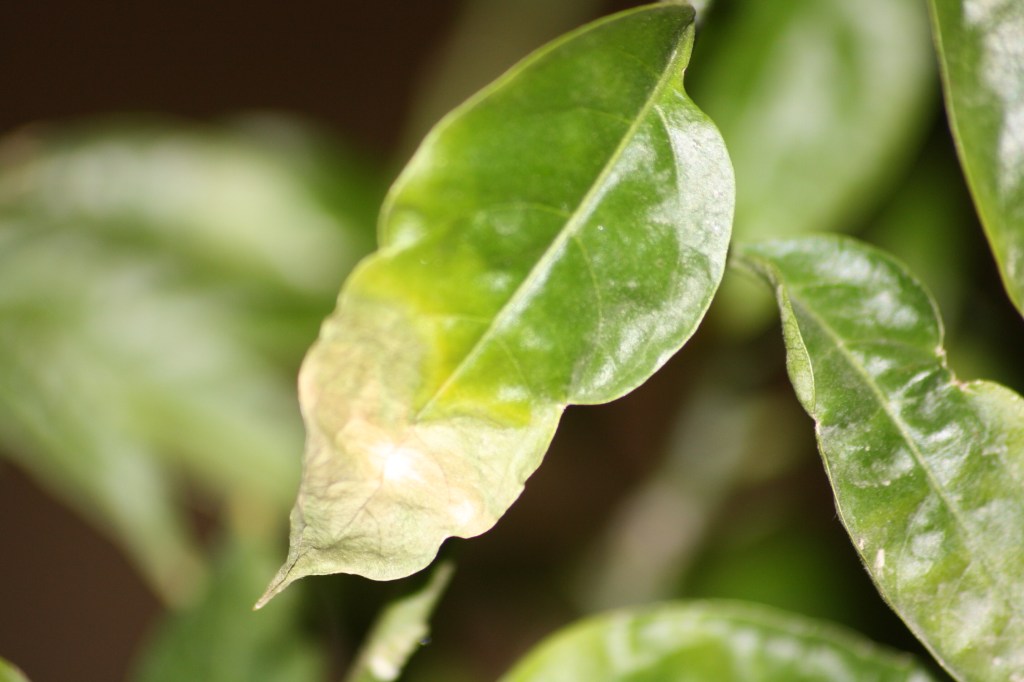
Like all plants, houseplants will occasionally come under attack from pests. Those insects can be just as annoying as their outdoor counterparts. Houseplant pests can multiply extremely quickly. Because of that, everyone has to be careful about checking for symptoms. If one notices a plant that suddenly begins to look ill, then every plant parent has to take a closer look – there is a great danger that an insect is responsible for that. The infection with pests can be very severe and plants that have had more than half of their leaves damaged are probably not worth rescuing. Because of that, it is important to identify the types of pests and get control as fast as possible.
Fungus Gnats
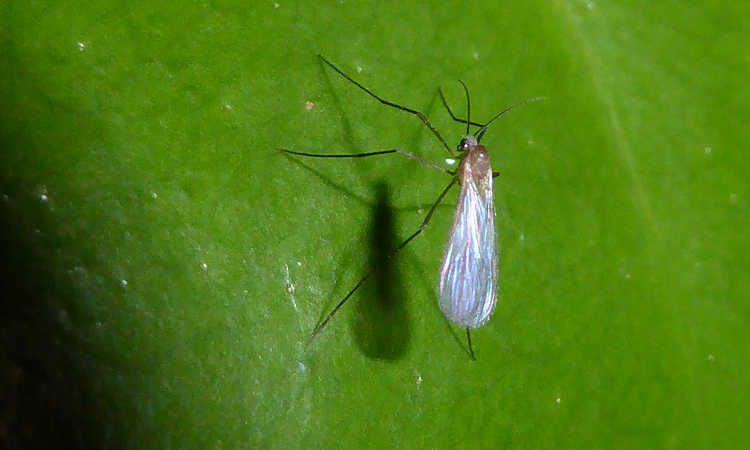
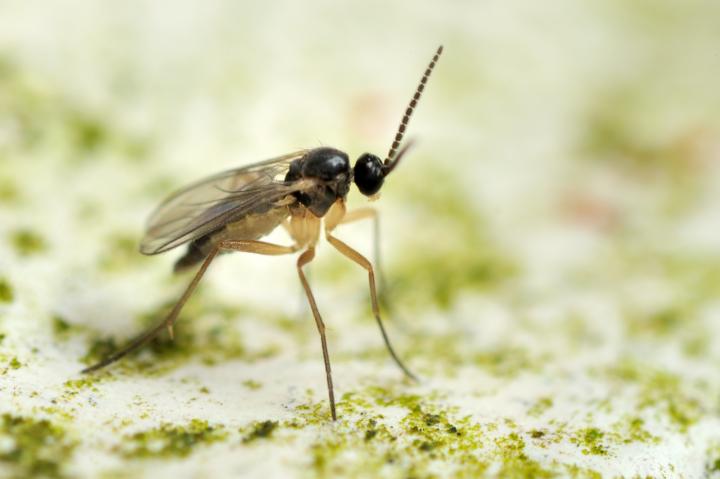
Fungus gnats are probably the most common pest of plants that grow indoors – especially where humidity and moisture is high. Usually, they are first noticed when the adults are flying around the house. They are harmless but very annoying. The problem is the larval stage. They live inside the soil and damage the sensitive roots. To get rid of them, one can use Neem oil and yellow sticky traps. Often fungus gnats are already inside the soil one can buy in the garden center or nursery. The soil can be put in the stove or microwave for a few minutes to kill them.
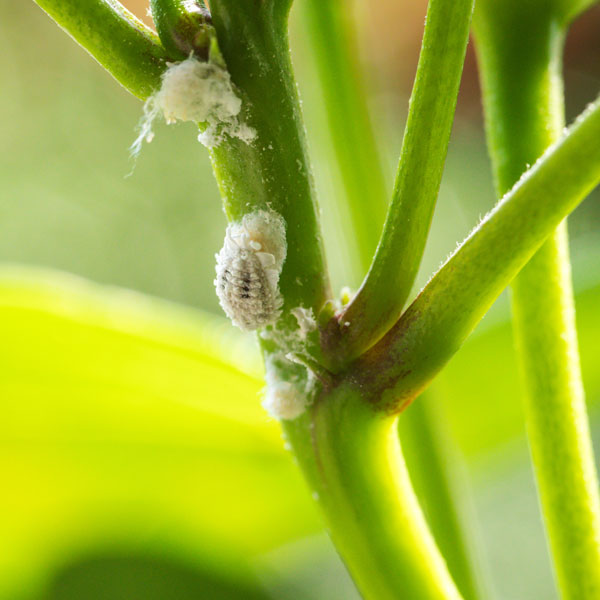
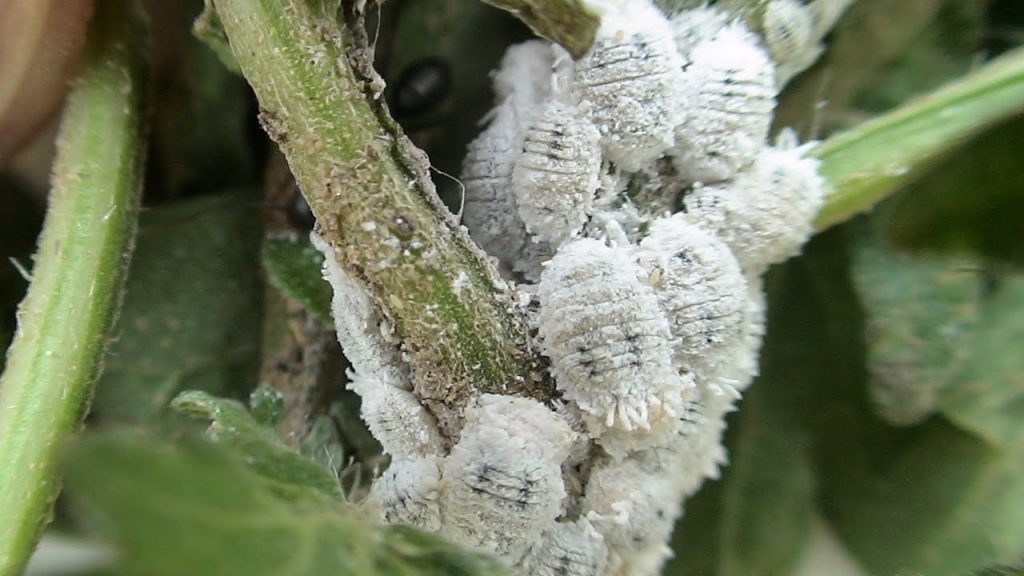
Mealybugs
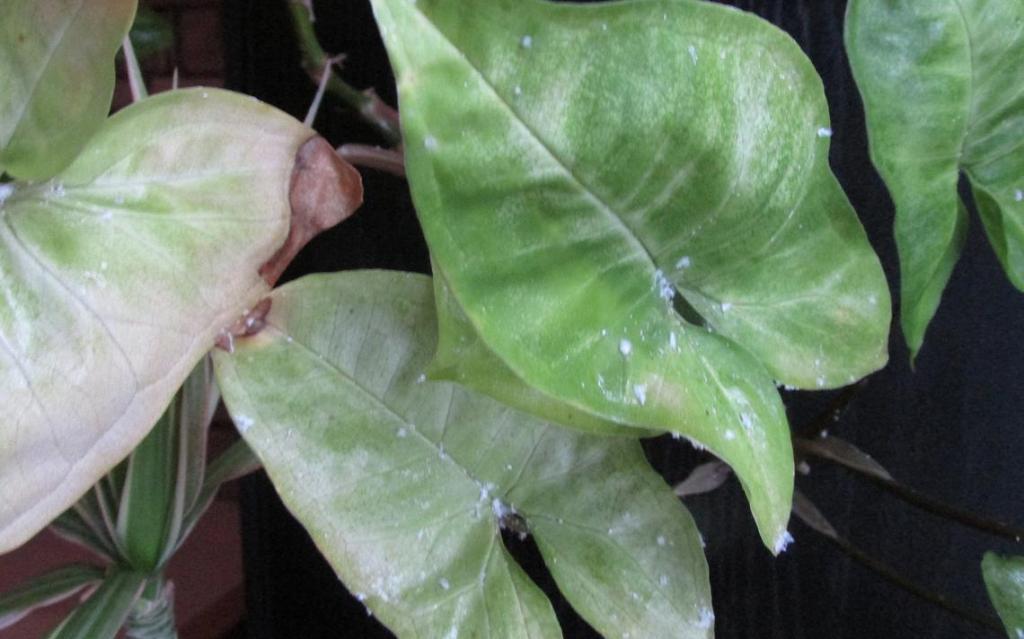
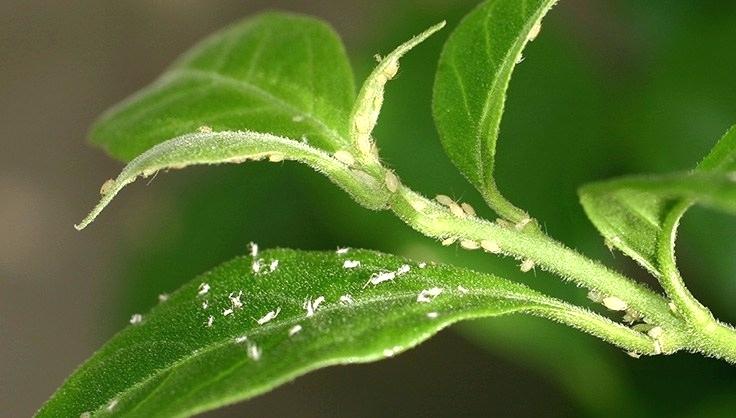
Mealybugs are soft-bodied, wingless insects that often appear as white cottony masses on the stems, fruits and leaves of plants. They absorb the juice of the plant, and the leaves yellow and curl. Fast action is required. One can get rid of it with a Q-tip dipped in rubbing alcohol and kill the bugs with it. Neem oil can also help.
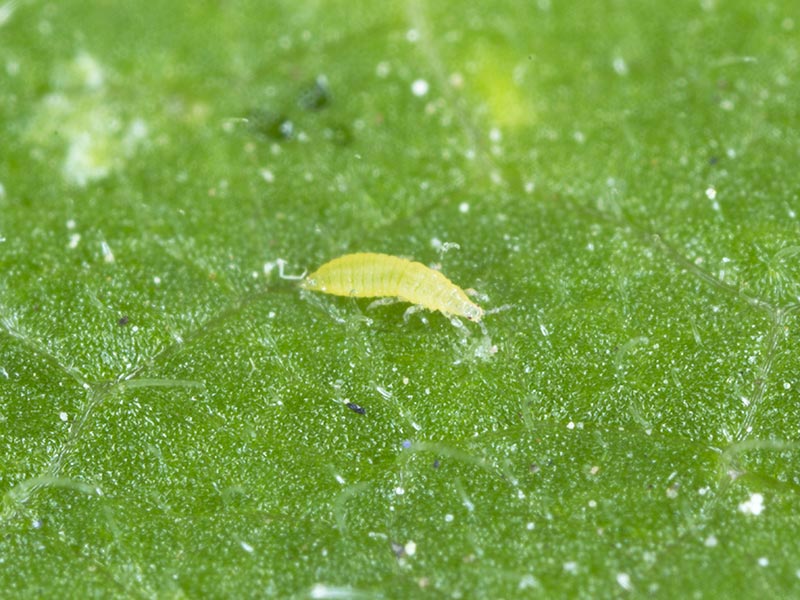
Thrips
Thrips damage plants by absorbing their juice and scraping at leaves, fruits and flowers. The leaves turn pale, spotty, silvery, then die. Infected plants are discolored and scarred. Thrips are terribly active and feed in large groups. They are very small yellow or black insects with two pairs of feathery wings. To observe those little beasts’ blue sticky traps can be helpful because they get stuck on them. To get rid of them, the plants have to be washed and sadly only pesticides can really help.
As you can see, it is incredibly important to take a close look to quickly recognize the problem. Try to use organic solutions first and most of the time it works. Only a few pests can only be controlled with pesticides. Please feel free to contact me if you have problems with pests and need help.


 Planthoarding