Dear plant lover,
Every one of us has nursed a plant to death and then probably thrown it away. No one has to be ashamed of that. In this blog entry, I would like to give you a few tips on how you can save plants believed dead and bring them back to life.
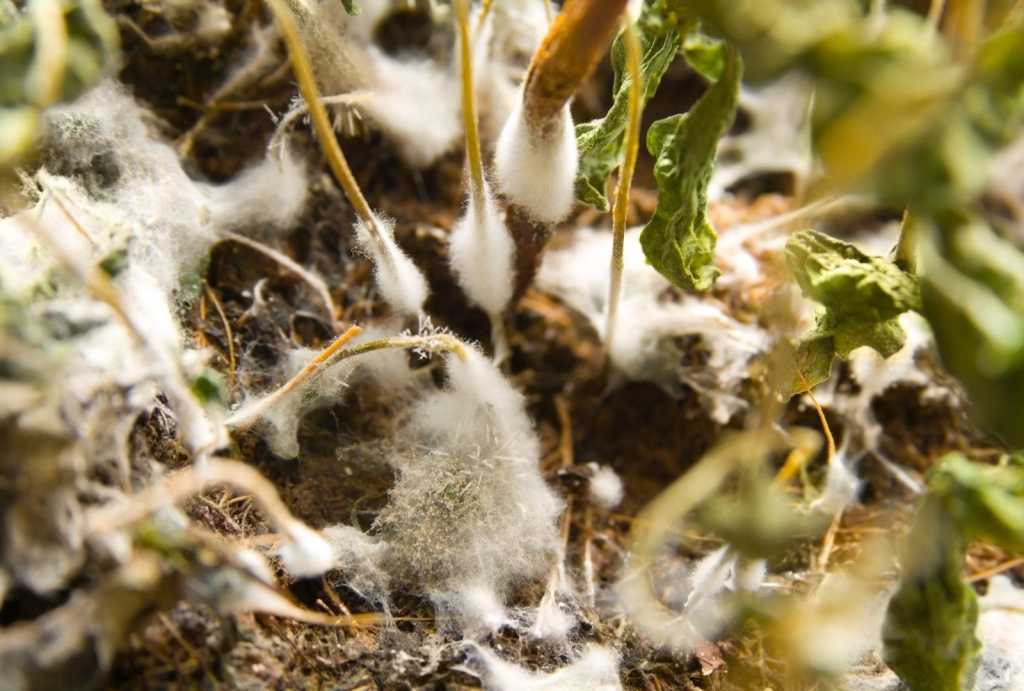
If the leaves of the houseplant are turning yellow, the soil is moist and if there is white mold or green fungus on the top of the soil, the plant is probably overwatered. In my blog entry #3, I gave some tips about how to water a houseplant correctly.
If the leaves look droopy and start wilting, it is a sign that the plant needs to be watered. The goal is to have an evenly moist soil without the roots sitting in water. Most of the indoor plants are tropical and like their water warm (room temperature).
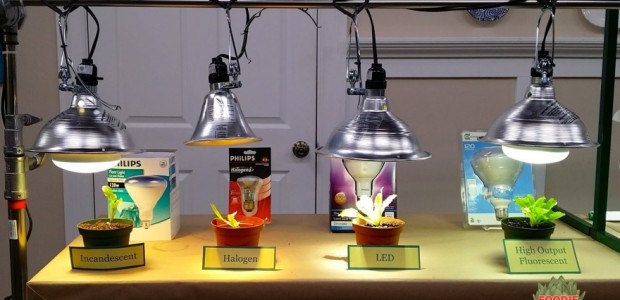
Blanched leaves with brown spots can be a sign of too much sun. Especially ferns and calathea do not like bright, direct sun. On the other hand, spindly and stretched plants that start dropping leaves may do not get enough light. Most of our houseplants love medium to bright light. If the natural light in one’s apartment is really low, artificial light may help to make plants happier. There are several growing light options. Cool LED bulbs with more than 1,000 lumens are perfect.
Crispy edges and brown or black leaves are often a sign of too much fertilizer. The plant will start falling apart frighteningly quickly. On the other hand, too little fertilizer can stop the plant from growing; fertilizer is pretty important for a long life because it is a multivitamin for the plant. It is highly important to follow the instructions on the label.
If the plant is brown and looks dead, it probably is dead. The rubber tree and the fiddle-leaf fig are woody plants and can recover if they died back to the stalk. One has to give it light, fertilizer, water, and some love and with some luck it regrows. The same luck is possible with plants like monstera and pothos, as long as there is a little vine or stem with a node left.
I hope this helped you to save your dying plants. If you need more growing tips for your houseplant, see this curated guide .
Lovely greetings,
Pauline
 Planthoarding